The atlas
Worlds
Cities walked into at the moment they were most alive. Each entry tells you what to see, what people ate, what the air smelled like - and ends with a sober panel on what's documented versus reconstructed.
Showing 10 of 10 worlds
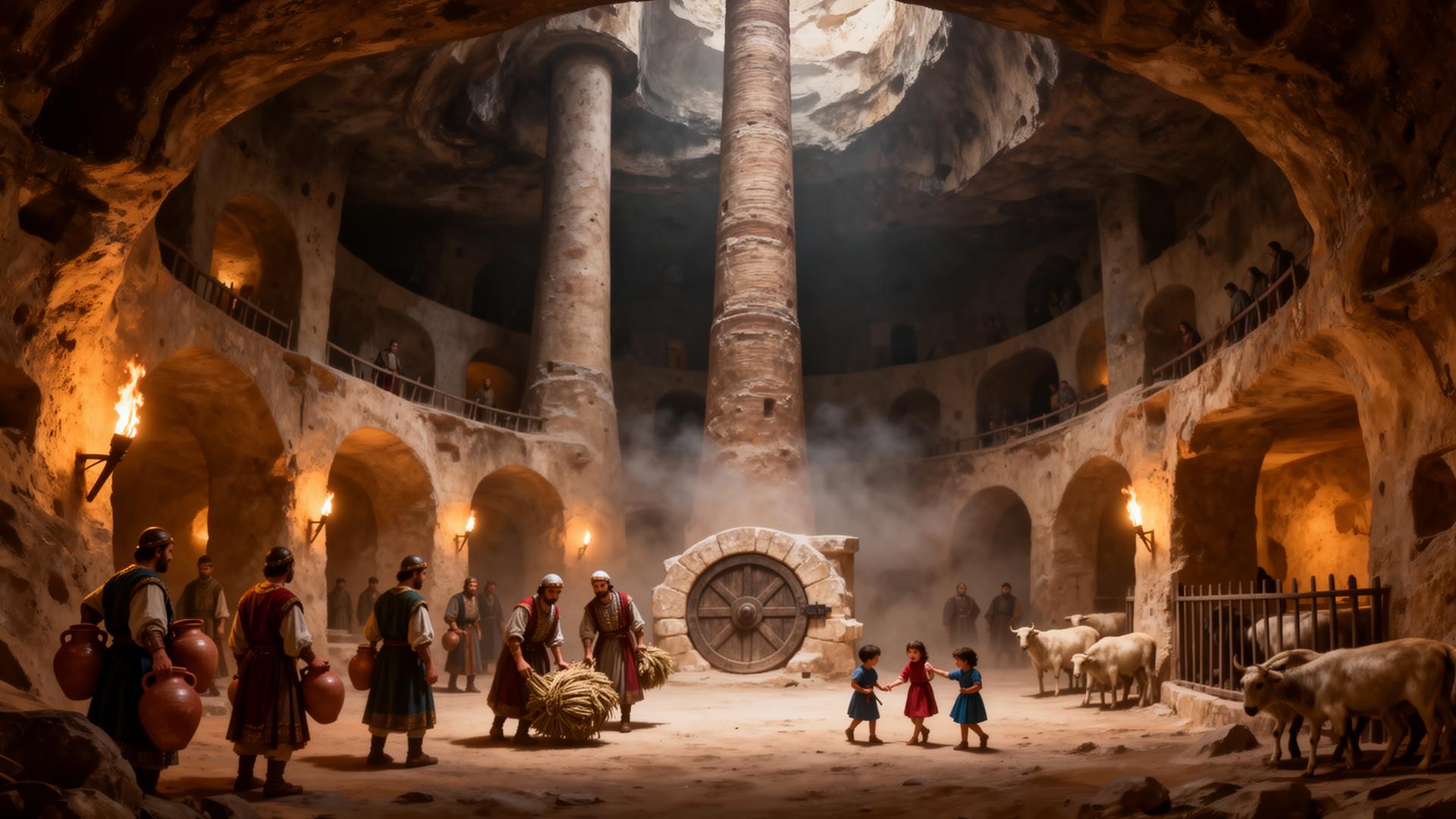
Real place · Cappadocia, central Anatolia (modern Turkey)
Derinkuyu
The hidden city beneath Cappadocia
Eighteen levels carved straight down into volcanic tuff. Stone wheel doors. Wineries, stables, chapels, a school. Rediscovered in 1963 when a man knocked down a wall in his basement.
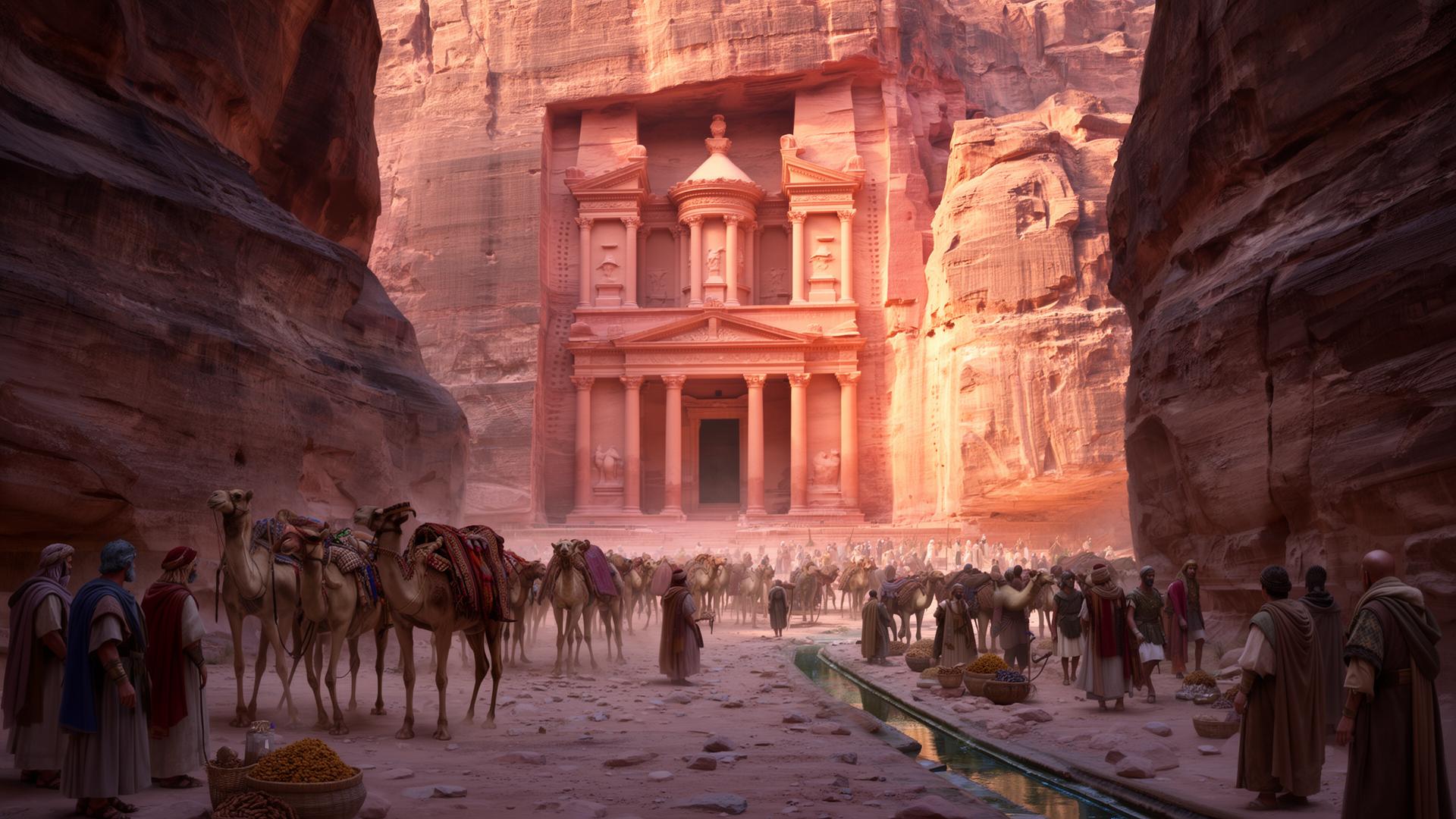
Real place · Wadi Musa, southern Jordan
Petra
The rose-red city carved into a canyon
A Nabataean trading capital cut directly into rose-pink sandstone, controlling the frankincense and spice routes from southern Arabia to the Mediterranean.
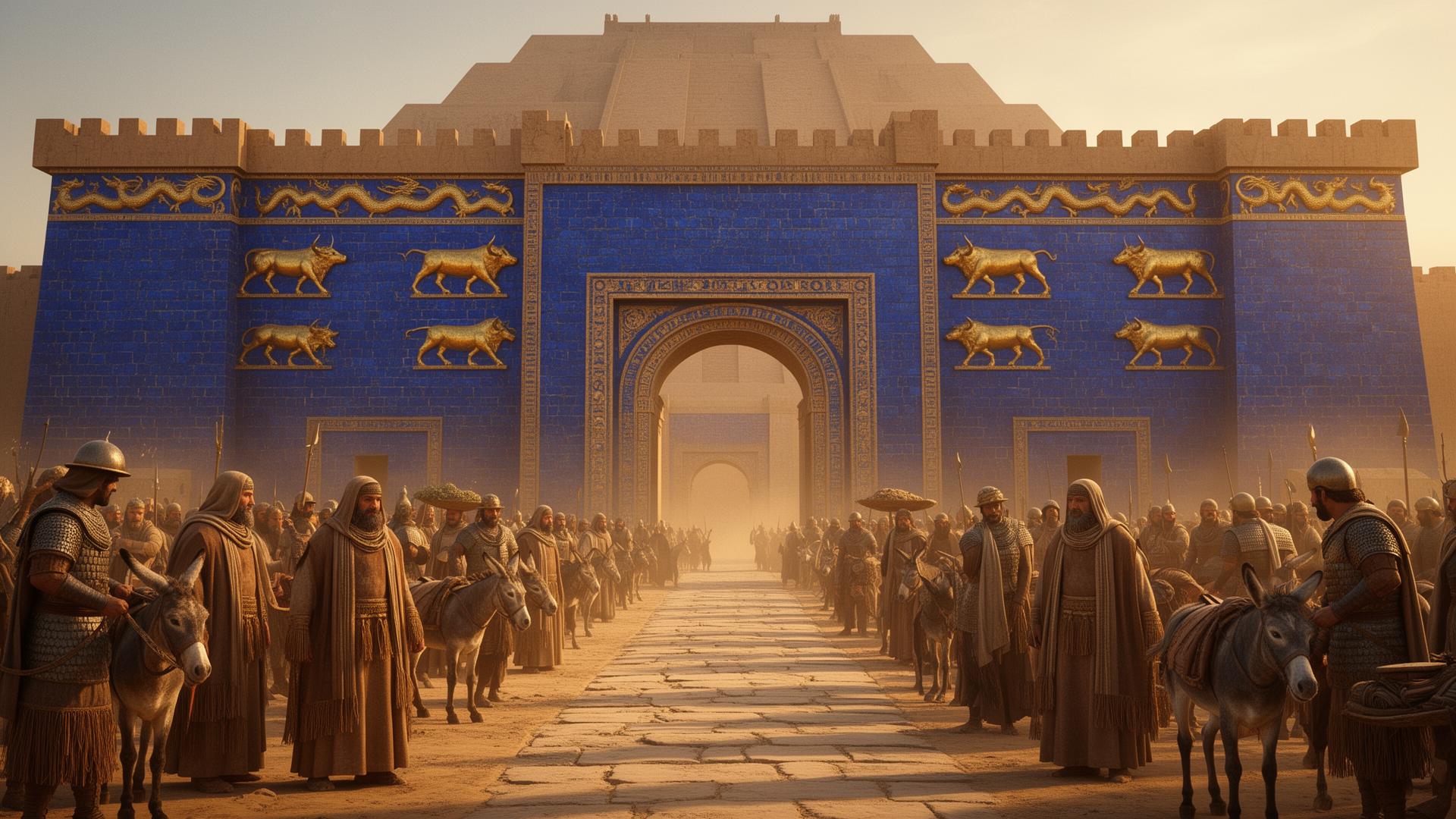
Real place · Mesopotamian floodplain, on the Euphrates (modern Iraq)
Babylon
The blue-walled capital of the Neo-Babylonian world
Lapis-blue glazed brick walls, a ziggurat that may have inspired Babel, the world's first written astronomy, and a polyglot population at the heart of the largest empire of its day.
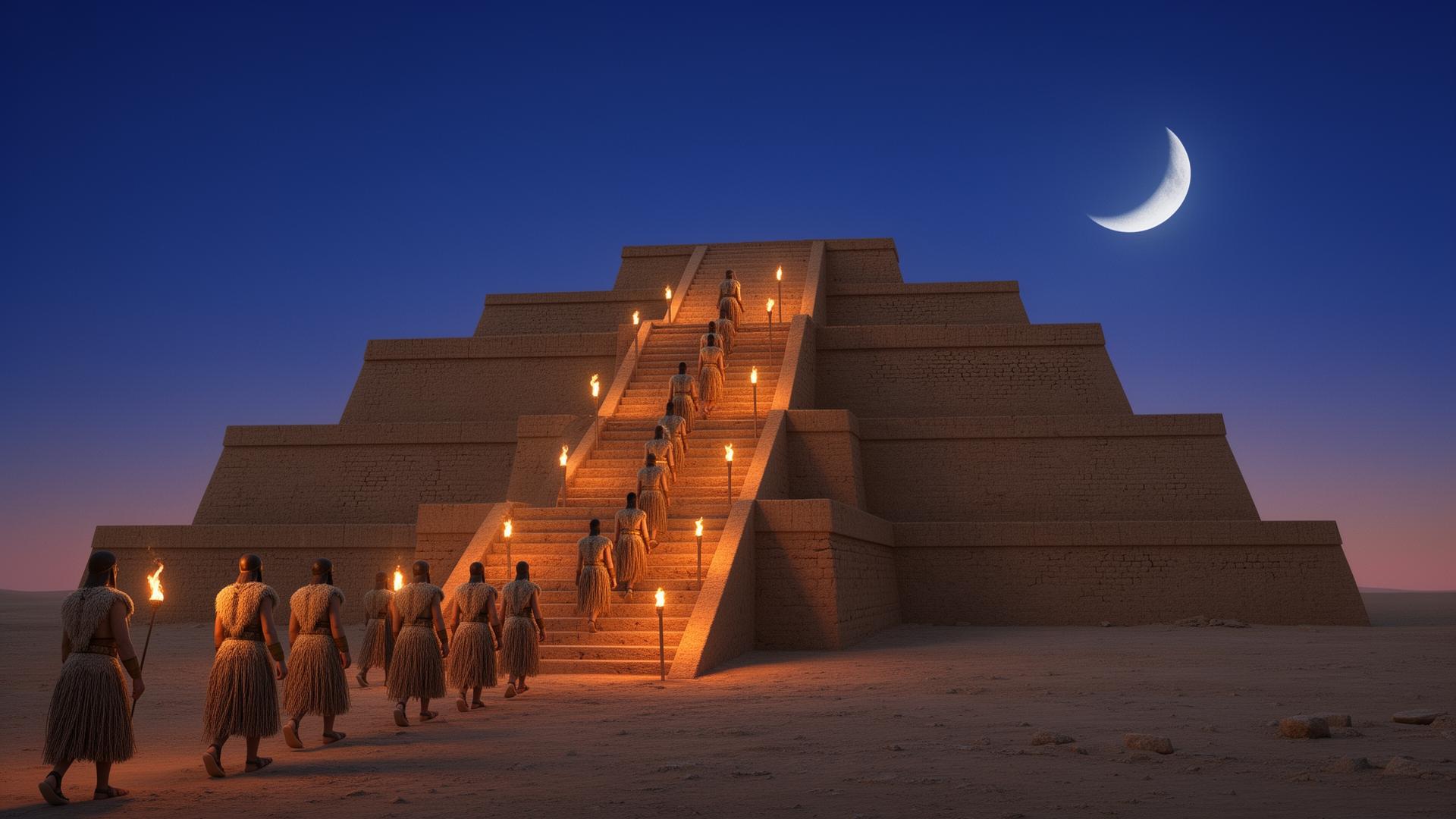
Real place · Southern Mesopotamia, near the ancient Persian Gulf coast (modern Iraq)
Ur
The Sumerian moon-city, where writing learned to count
A Sumerian capital on the (then-coastal) Persian Gulf, home to the moon-god Nanna, the first known schools of writing, and the oldest substantially preserved law code.
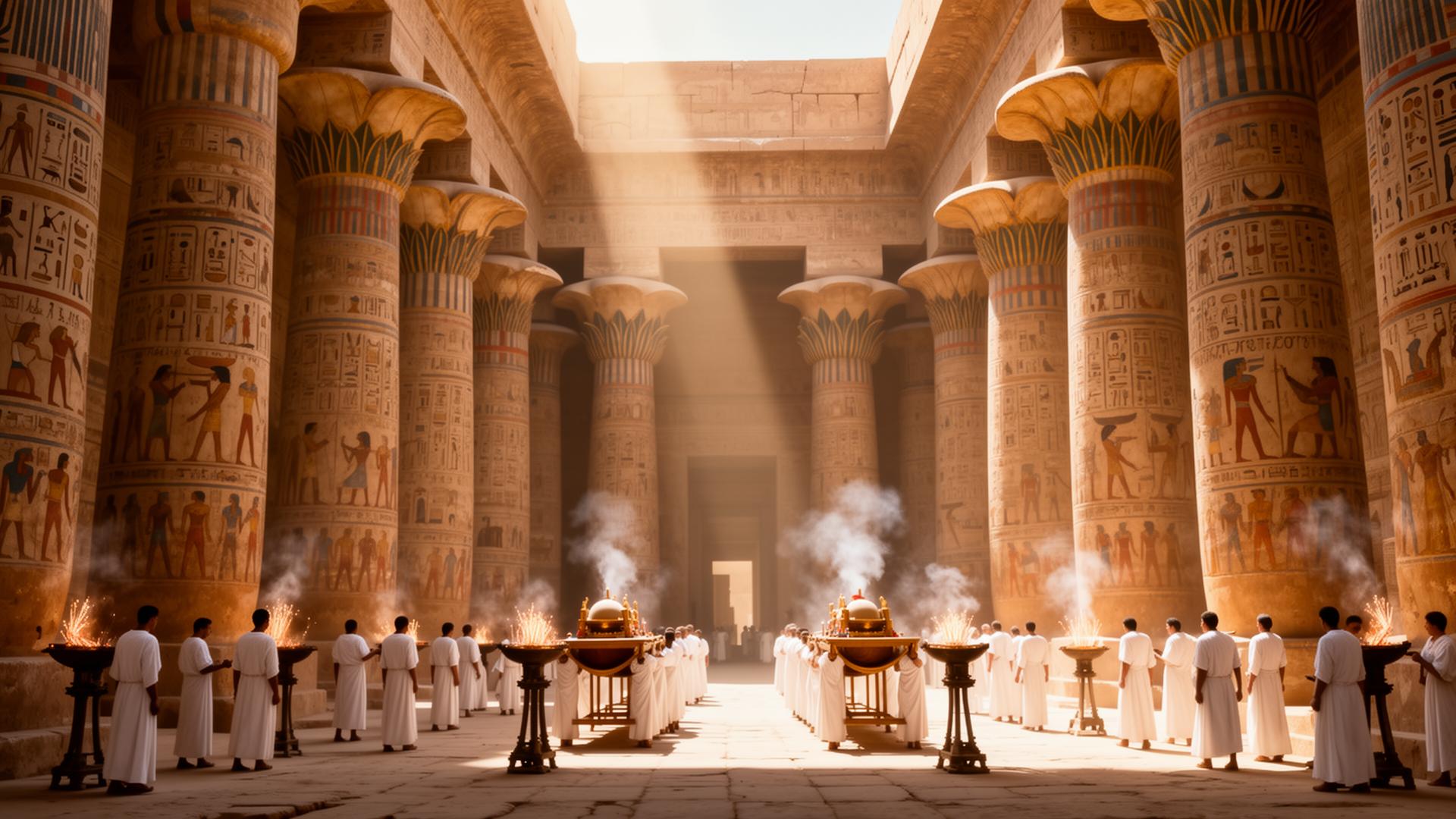
Real place · Upper Egypt, on the Nile (modern Luxor)
Luxor (Thebes)
The city of Amun-Ra, capital of the New Kingdom
Karnak and Luxor temples, the Valley of the Kings across the river, and a state religion so wealthy that for centuries the high priest of Amun could rival the pharaoh himself.
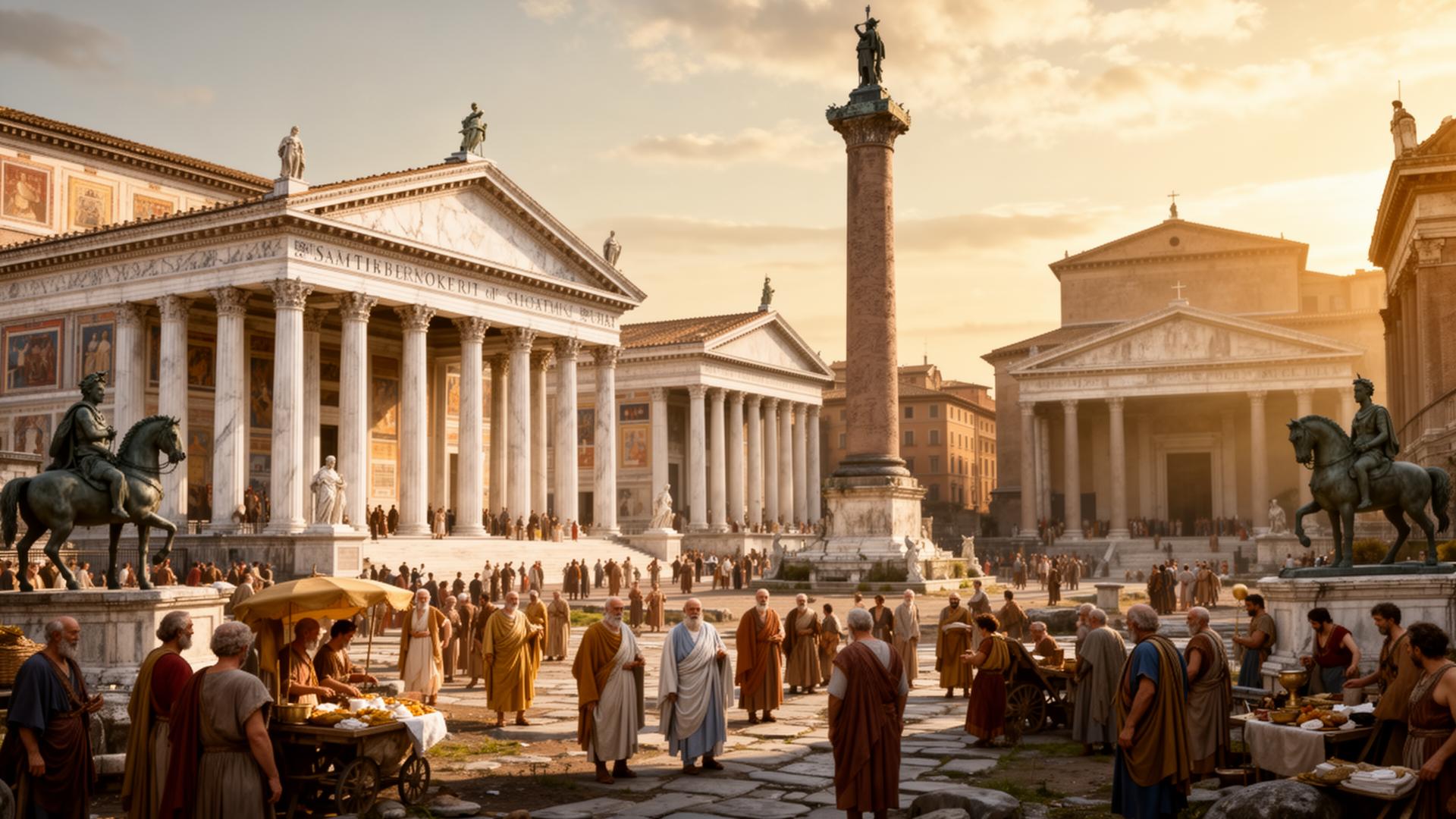
Real place · Central Italy, the seven hills above the Tiber
Rome
The marble heart of an empire that ruled fifty million people
At its peak Rome held a million people inside its walls - five-story apartment blocks, free bread, gladiatorial games, marble basilicas, and clean running water on tap at the top of the city.
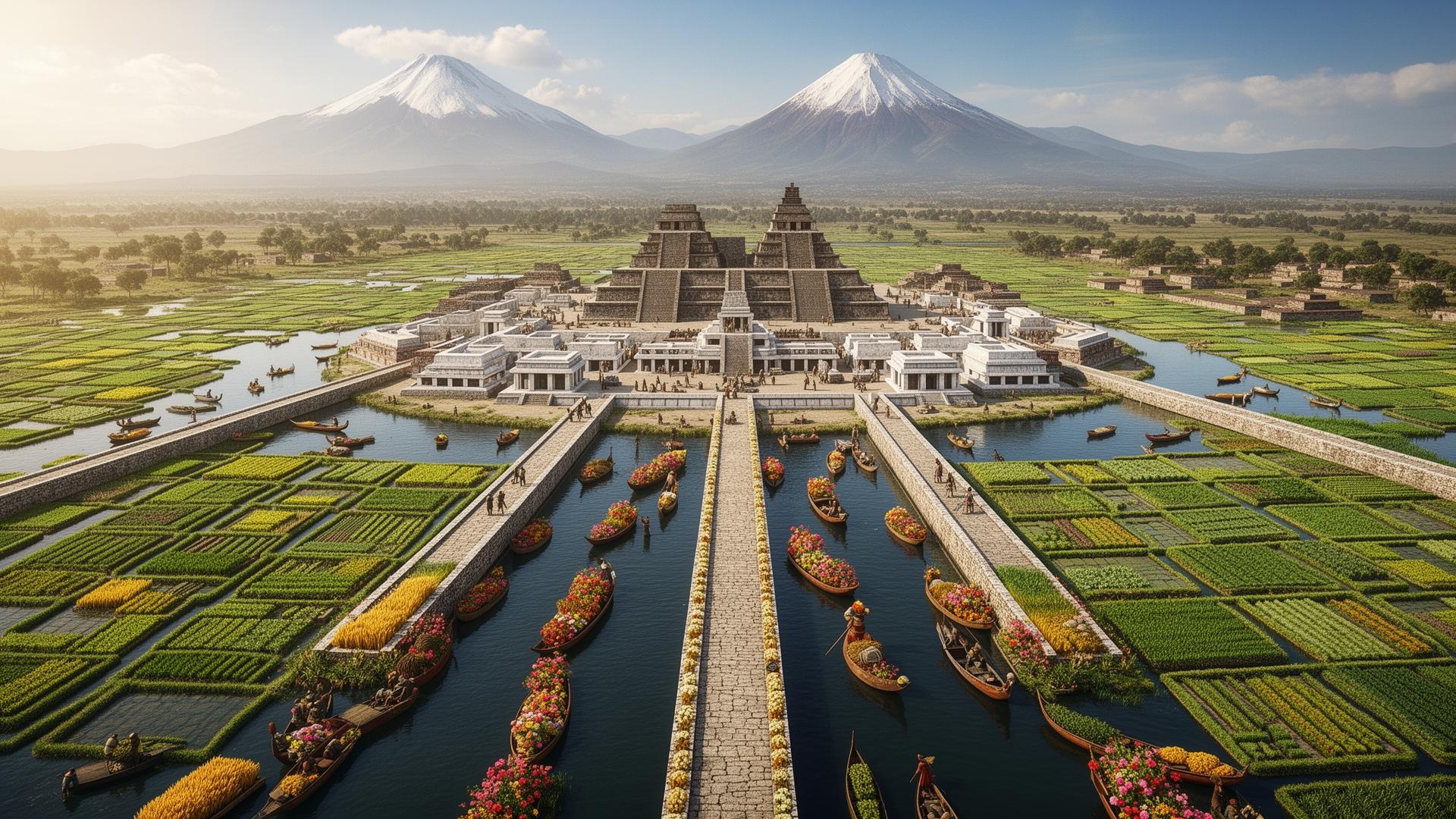
Real place · Lake Texcoco, Valley of Mexico (modern-day Mexico City)
Tenochtitlán
The Mexica island-city Cortés called another Venice
An engineered island city of 200,000 people in the middle of a high-altitude lake, with floating farms, aqueducts of fresh water, and a market that astonished hardened Spanish conquistadors.
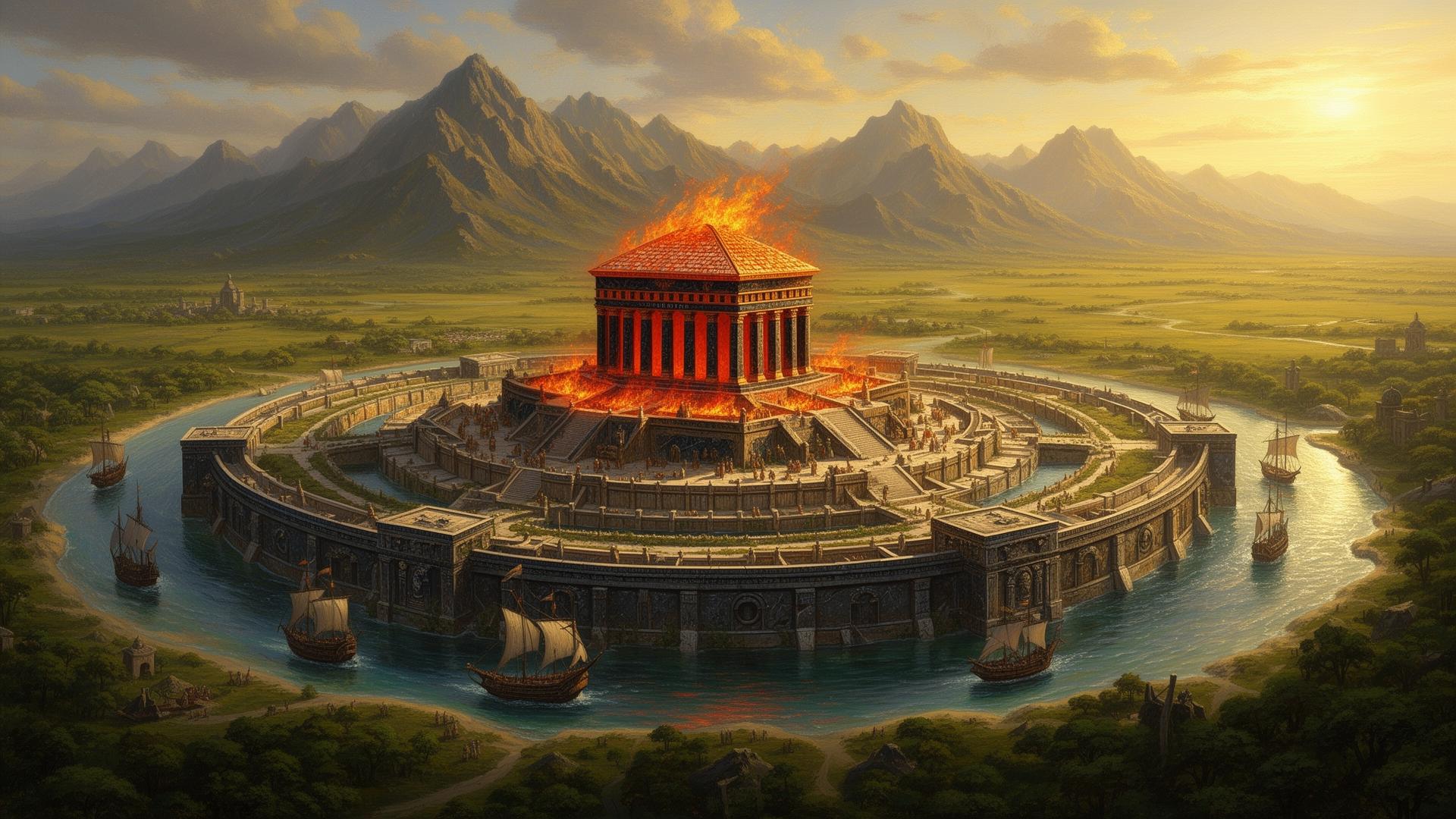
Mythic · fiction · Beyond the Pillars of Heracles (somewhere west of Gibraltar), per Plato
Atlantis
Plato's drowned island, sole source of the legend
A fictional island empire invented by Plato in two unfinished dialogues to make a philosophical point. Everything else in the legend - from concentric canals to crystal pyramids - was added later.
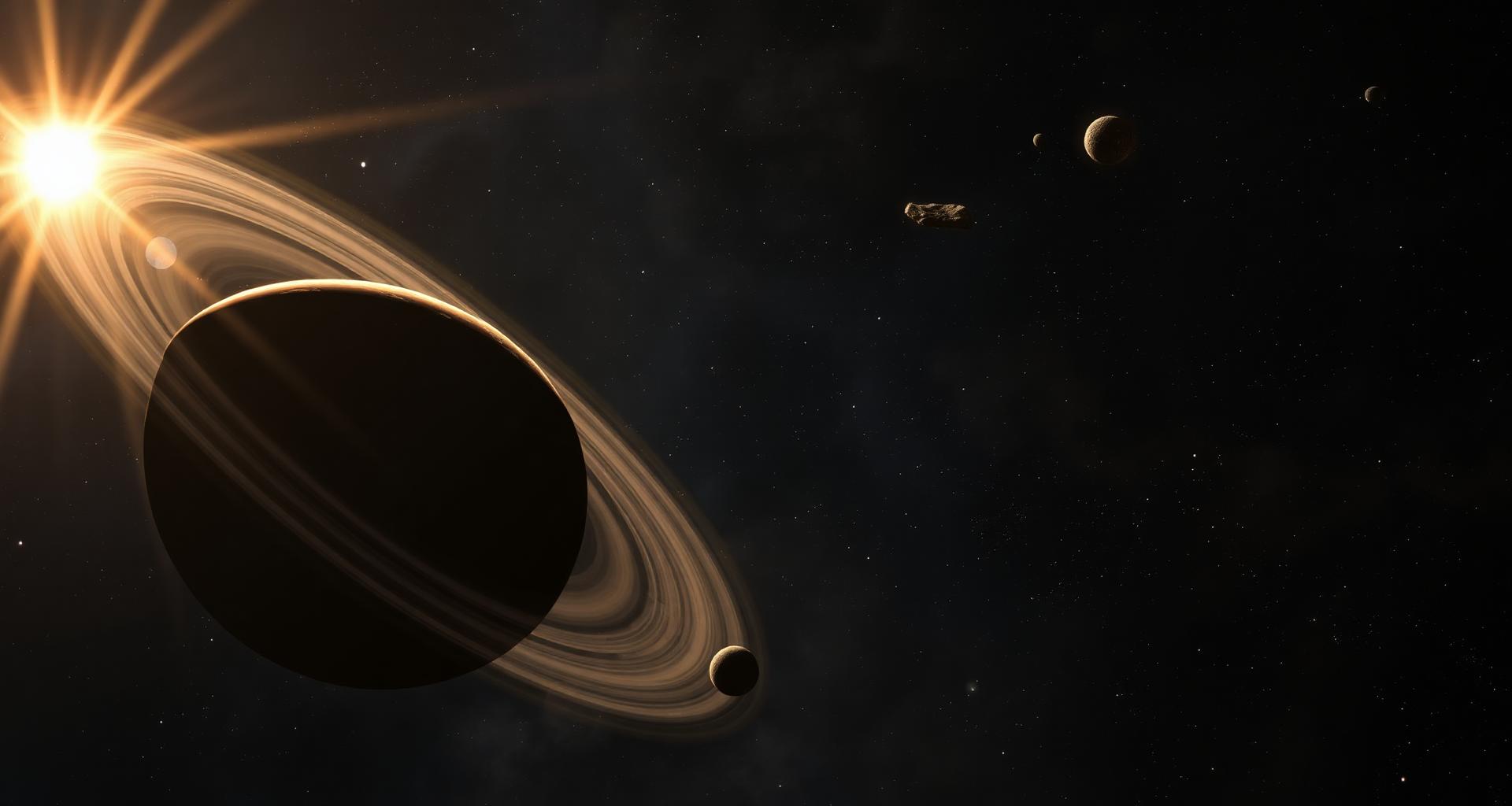
Mythic · fiction · Outer solar system (allegedly)
Nibiru
A 20th-century invention, not an ancient one
An imagined 'twelfth planet' whose inhabitants are said to have created humanity. The reading is the work of one author in the 1970s and is rejected by Assyriologists. We include it because we get asked about it constantly.
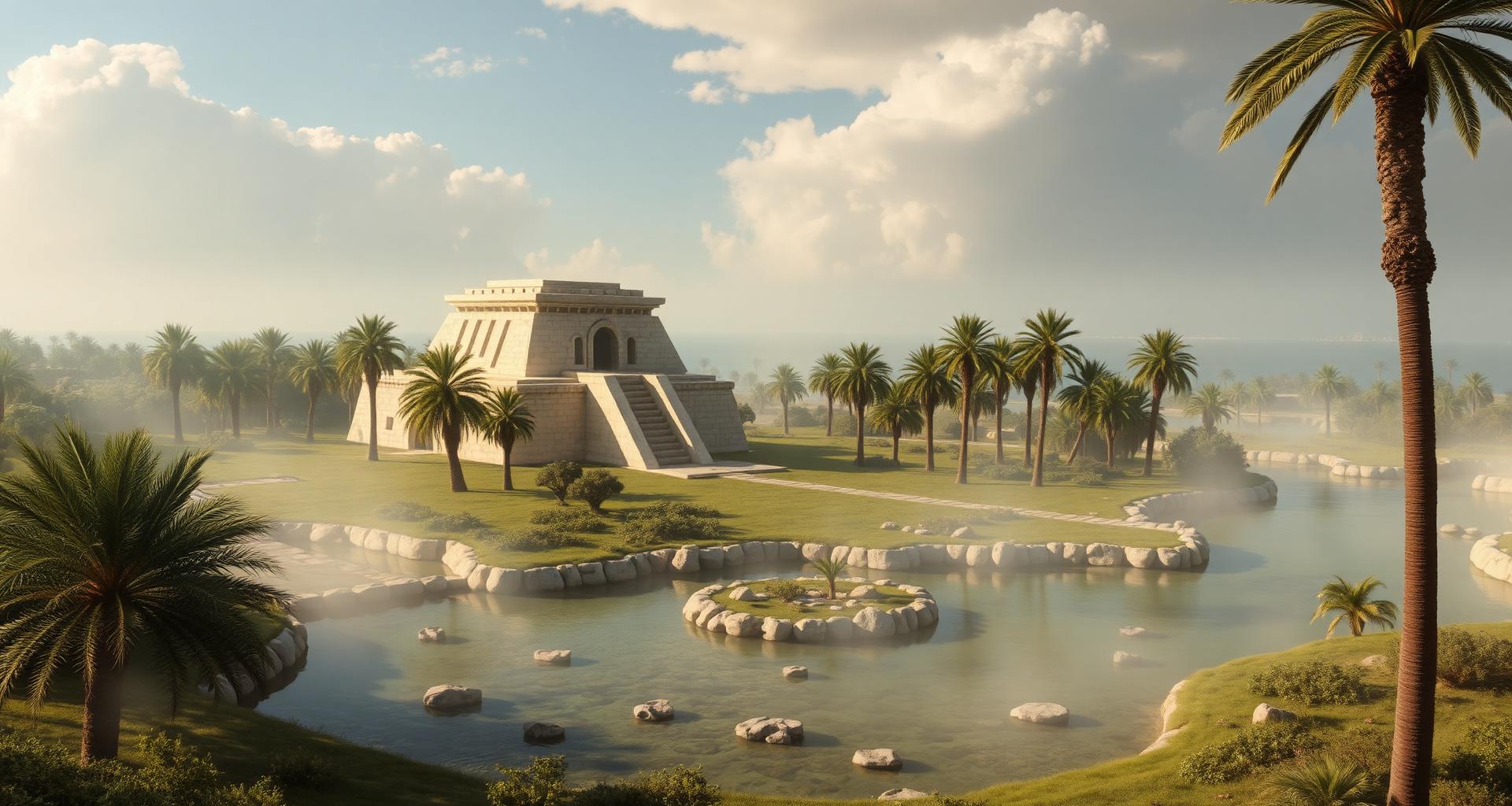
Contested · Sumerian mythic geography; very likely modern Bahrain and adjacent coast
Dilmun
The Sumerian paradise that may have been a real place - Bahrain
In Sumerian myth, a pure island where the gods live and no one grows old. In archaeology, a real Bronze Age trading civilization on Bahrain. The interesting question is how the two relate.