The corpus
Tablets, in translation
Each entry pairs a transliteration with a modern English rendering, followed by short commentary and a "myth vs. fact" sidebar.
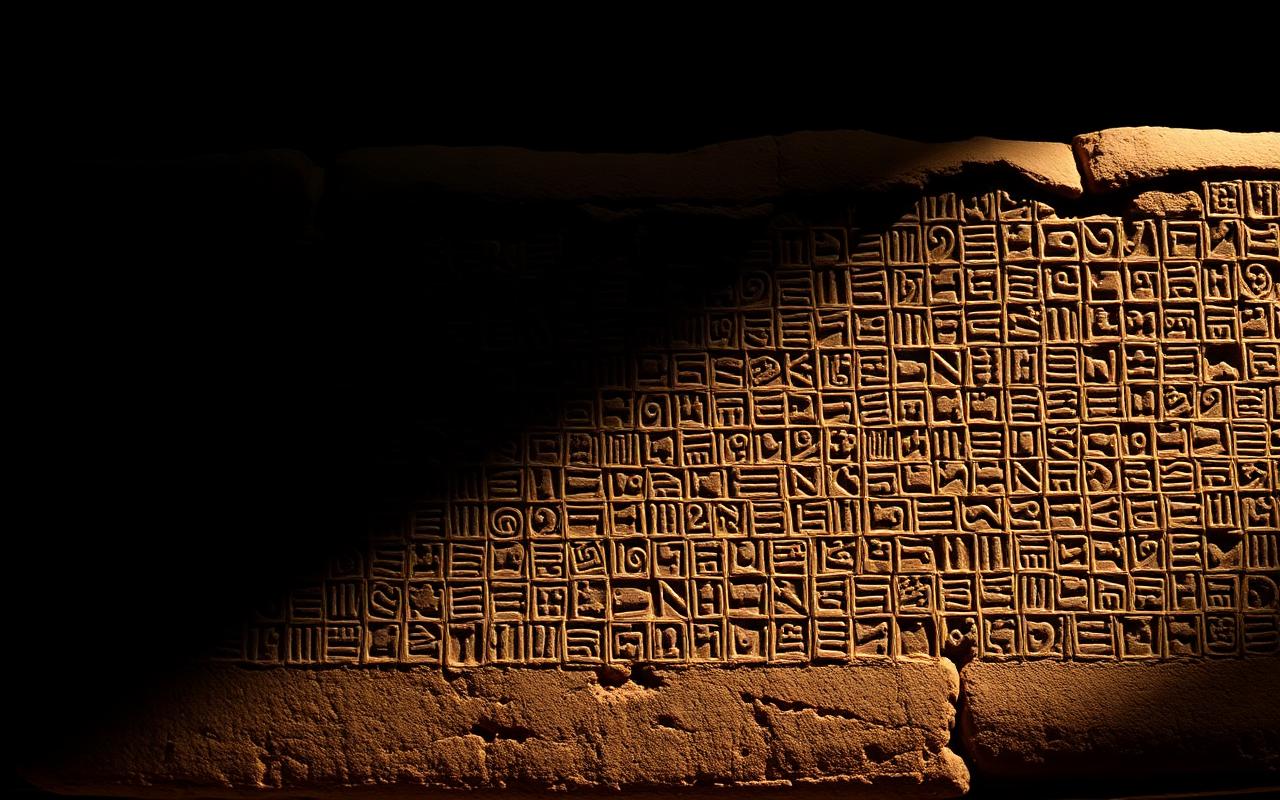
Sumerian · Old Babylonian copies, c. 1800 BCE; composition older
Enki and the World Order
How the god of fresh water arranged the lands
Enki proclaims himself the firstborn of An and arranges the destinies of the Tigris, the Euphrates, the marshlands, and the cities of Sumer.
ETCSL t.1.1.3
Open tablet →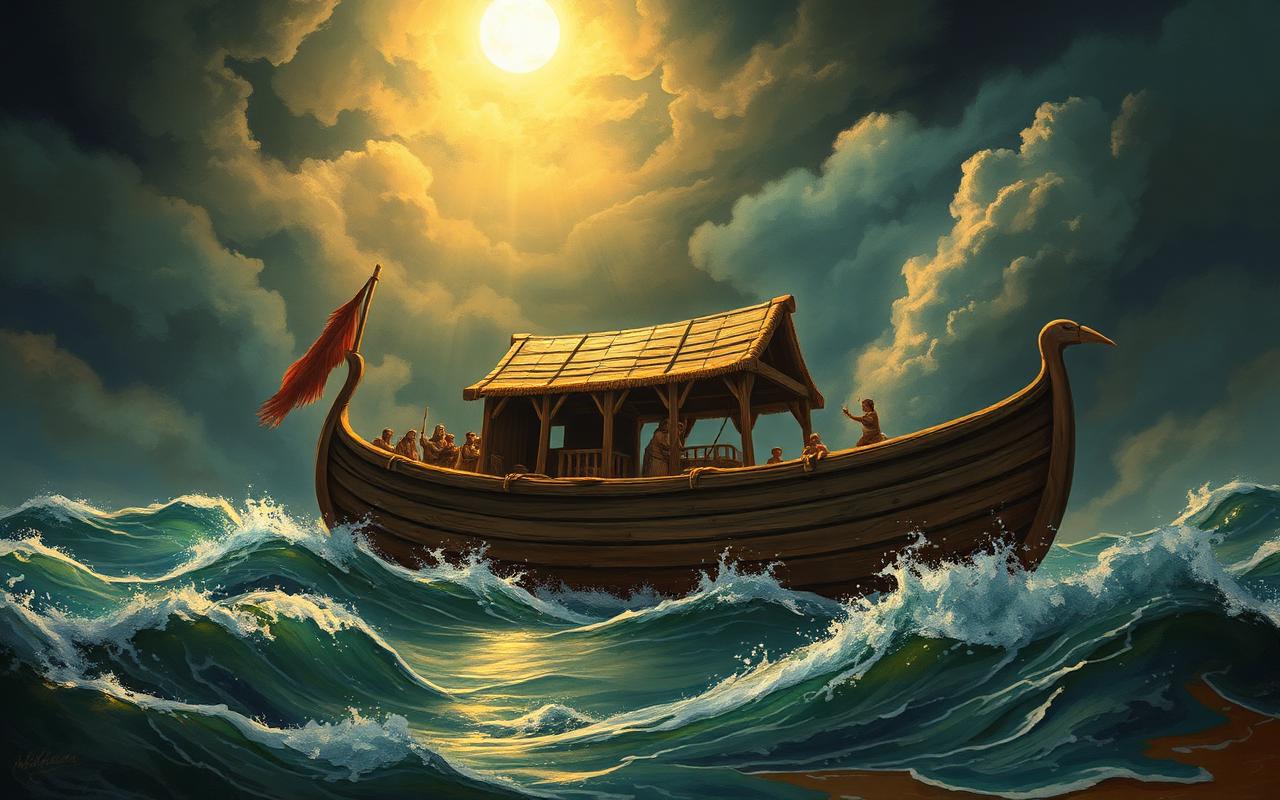
Sumerian · Fragmentary tablet, c. 1600 BCE
The Eridu Genesis
A Sumerian creation and flood narrative
An and Enlil decree the destruction of mankind by flood; Ziusudra, warned by a sympathetic god, builds a great vessel and survives.
Penn Museum CBS 10673
Open tablet →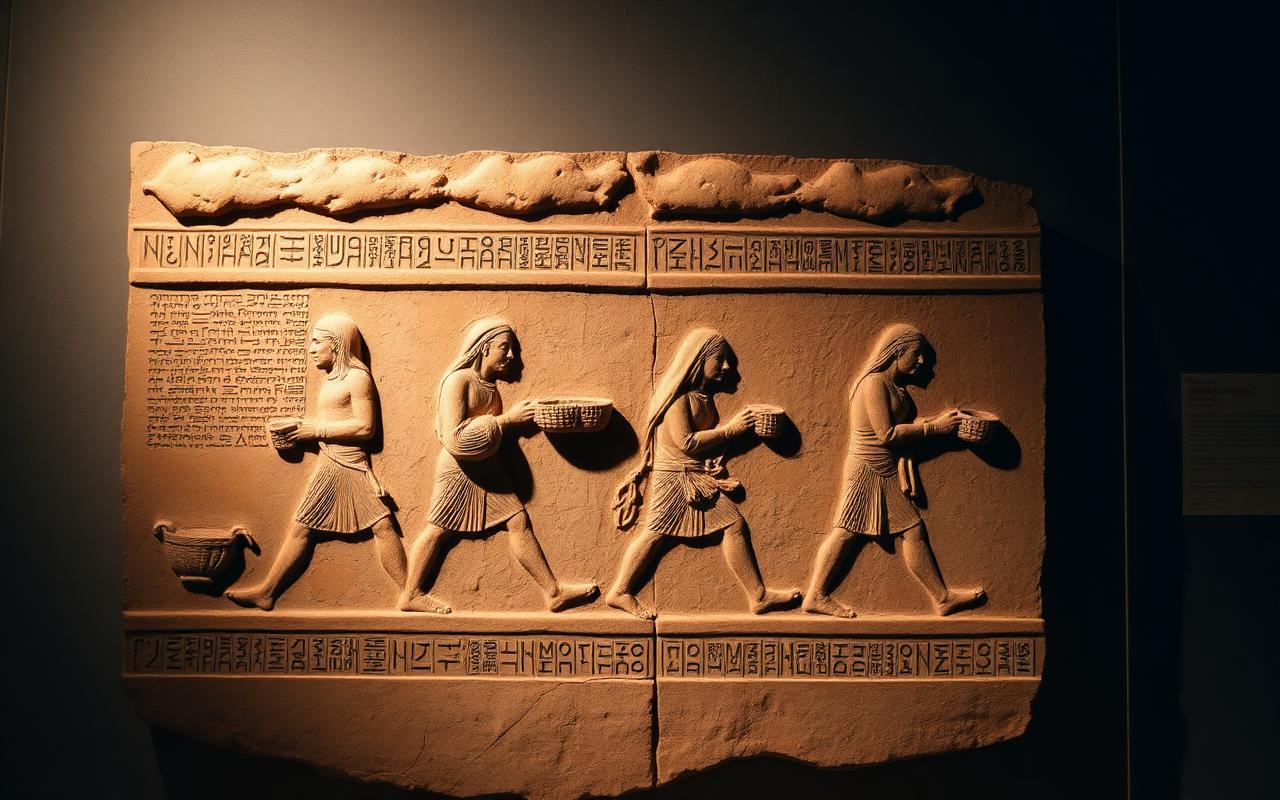
Akkadian · Old Babylonian, c. 18th century BCE
The Epic of Atrahasis
Why the gods made humans, and then nearly unmade them
The Igigi gods rebel against the labor of digging the world's canals. The great Anunnaki respond by creating humans to take over the toil - then send a flood when humans grow too numerous and noisy.
BM 78941+
Open tablet →