Sumerian · Penn Museum CBS 10673
The Eridu Genesis
A Sumerian creation and flood narrative
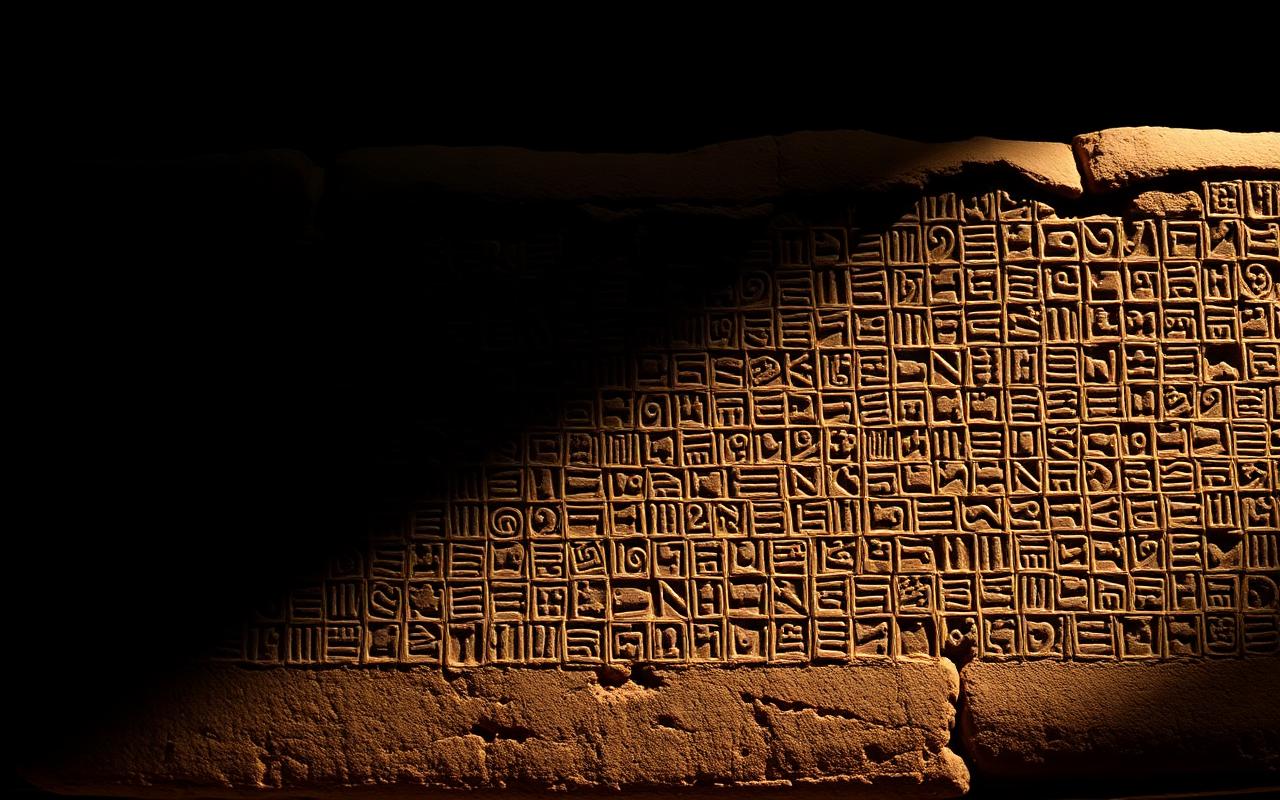
Fragmentary tablet, c. 1600 BCE
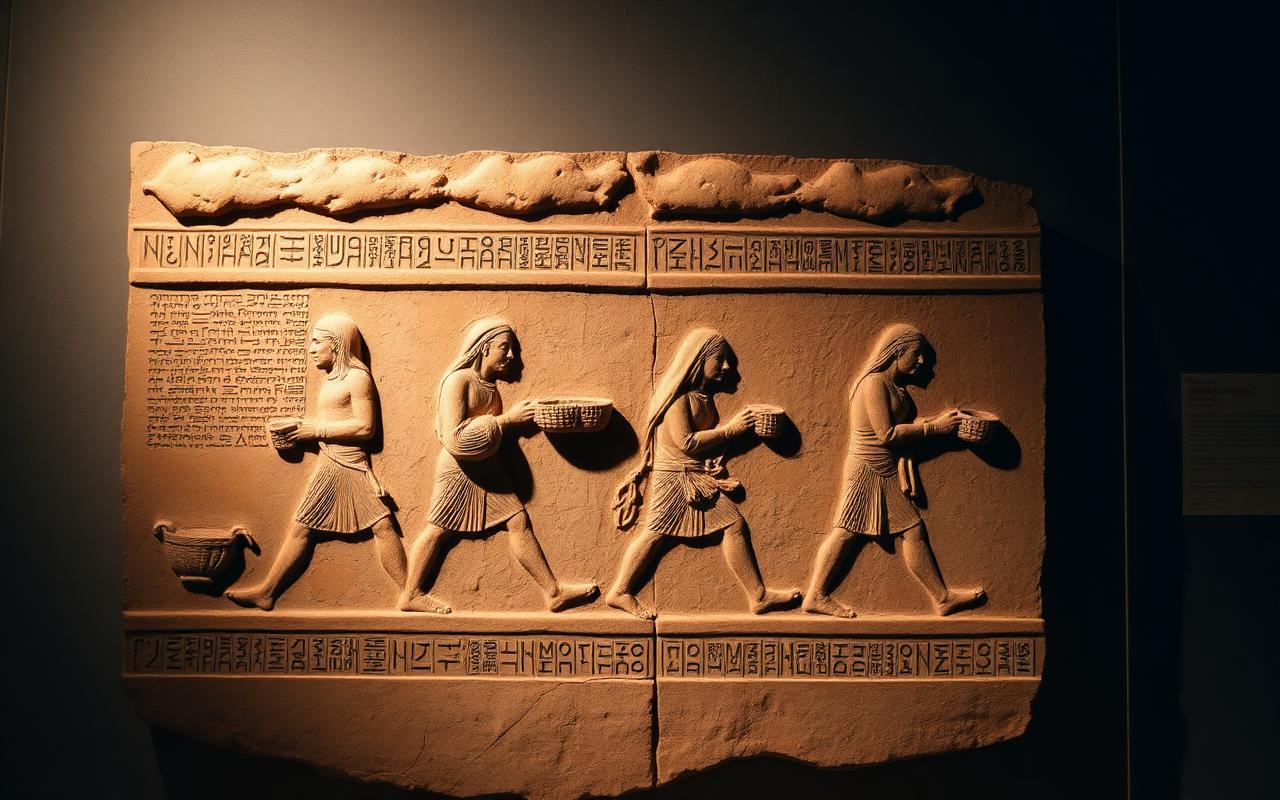
The earliest surviving flood story from Mesopotamia. Only about a third of the original tablet survives, but enough remains to trace four episodes: creation, the founding of the first five cities, the divine decision to flood the world, and the survival of the pious king Ziusudra.
Free audio preview
Hear the opening of The Eridu Genesis read aloud.
First 3 lines · reconstructed pronunciation
Full studio audio for every line is part of Premium.
Start 5-day free trialFrom the tablet
13 lines · cuneiform on the left, English on the right
- 1.𒌓 𒀭 𒂗 𒆠 𒊩𒌆 𒊕
u₄-ba an den-lil₂ den-ki dnin-ḫur-saĝ-ĝa₂-ke₄
/ph/uba an denlil denki dninkhursangngake
In those days An, Enlil, Enki, and Ninhursaĝa,
- 2.𒊕 𒆠
saĝ-ĝi₆-ga mu-un-dim₂-eš ki-bi-šeš mu-un-il₂-eš
/ph/sangngiga muundimesh kibishesh muunilesh
Fashioned the black-headed people and raised them up from the earth.
- 3.𒌓 𒆠
u₄-ba iri-iri-bi-šeš ki-bi-šeš mu-un-ĝar-re-eš
/ph/uba iriiribishesh kibishesh muunngarreesh
Then the cities were established, each one founded in its own place:
- 4.𒆠 𒀭
eridugki nu-dim₂-mud-ra in-na-an-šum₂
/ph/eridugki nudimmudra innaanshum
Eridu was given to Nudimmud (Enki),
- 5.𒀭 𒊩𒌆
bad₃-tibira dinanna-ra in-na-an-šum₂
/ph/badtibira dinannara innaanshum
Bad-tibira was given to Inanna,
- 6.𒆠 𒀭 𒊕
la-ra-akki dpa-bil-saĝ-ra in-na-an-šum₂
/ph/laraakki dpabilsangra innaanshum
Larak was given to Pabilsaĝ,
- 7.𒆠 𒀭 𒌓
zimbirki dutu-ra in-na-an-šum₂
/ph/zimbirki dutura innaanshum
Sippar was given to Utu (the sun god),
- 8.𒆠 𒀭
šuruppakki dsud₃-ra in-na-an-šum₂
/ph/shuruppakki dsudra innaanshum
And Shuruppak was given to Sud.
- 9.𒉆 𒇽
nam-lu₂-ulu₃ numun-bi ḫa-lam-e-de₃ di-bi ba-an-dab
/ph/namluulu numunbi khalamede dibi baandab
A verdict was reached: that the seed of mankind would be destroyed.
- 10.𒅗 𒀭 𒂗
inim an den-lil₂-la₂-ke₄ a-ne-ne ba-an-šum₂
/ph/inim an denlillake anene baanshum
The word of An and Enlil had been spoken.
- 11.𒍣 𒌓 𒈗 𒈣 𒃲
zi-u₄-sud-ra₂ lugal-am₃ ma₂ gal mu-na-du₃
/ph/ziusudra lugalam ma gal munadu
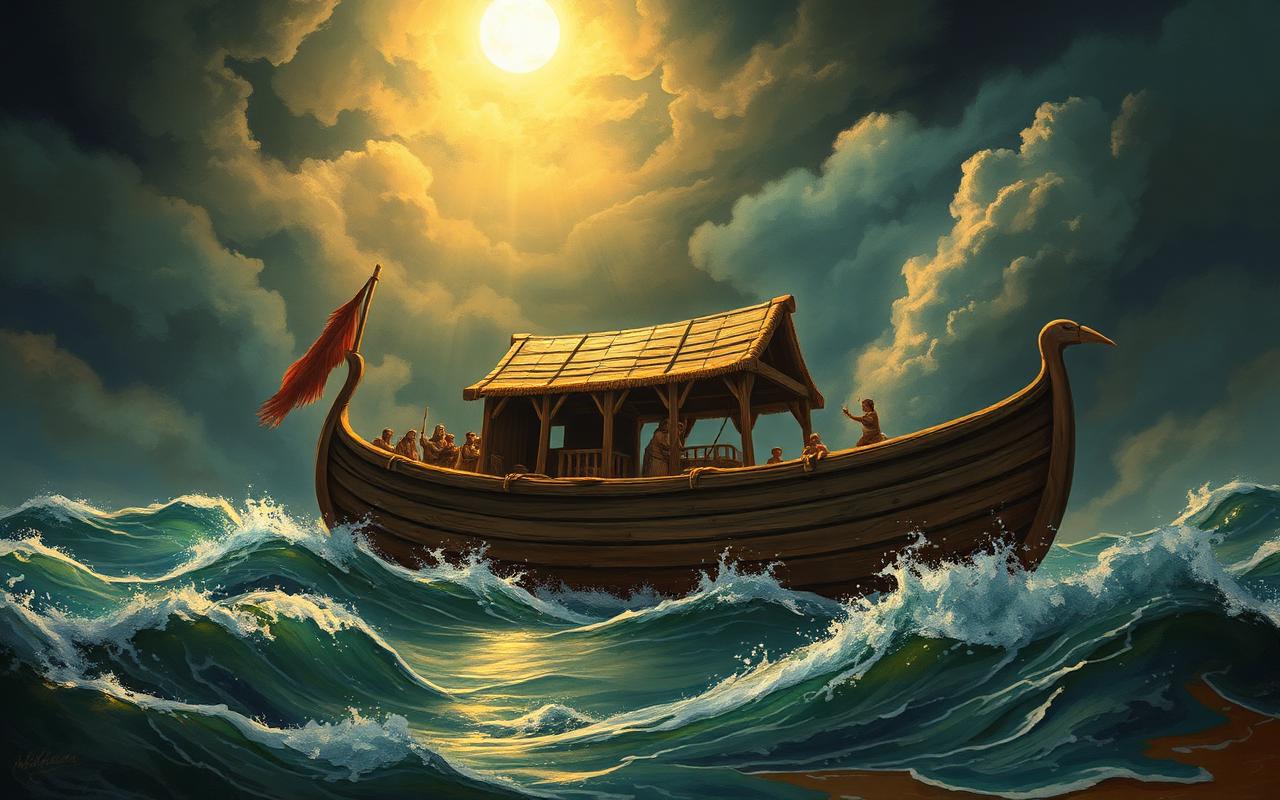
Ziusudra, the king, built for himself a great boat.
- 12.𒌓 𒀀
u₄ 7-am₃ ĝi₆ 7-am₃ a-ma-ru kalam-ma ba-ur₃
/ph/u 7am ngi 7am amaru kalamma baur
For seven days and seven nights the flood swept across the land.
- 13.𒀀 𒍣 𒌓 𒆠
egir a-ma-ru-ke₄ zi-u₄-sud-ra₂ ki-bi-šeš mu-un-zi
/ph/egir amaruke ziusudra kibishesh muunzi
After the flood, Ziusudra rose up in his place.
Tap a line to focus on it and see the signs that make it up. A guided learn-cuneiform mode is coming next.
Signs in this tablet
The core cuneiform signs you'll see recur throughout this text. Each glyph is a real Unicode character from the Cuneiform block.
Commentary
The Sumerian Ziusudra ('life of long days') is the literary ancestor of the Akkadian Atra-ḫasīs and Utnapishtim (in Gilgamesh tablet XI), and through them of the biblical Noah.
Unlike later versions, the Eridu Genesis frames the flood as a routine cosmic 'fate decision' by the high gods, with a single sympathetic deity (read as Enki) leaking the warning.
The list of five antediluvian cities - Eridu, Bad-tibira, Larak, Sippar, Shuruppak - is preserved nearly verbatim in the Sumerian King List, suggesting the two compositions drew on a shared tradition.
The standard scholarly edition is Thorkild Jacobsen, 'The Eridu Genesis' (Journal of Biblical Literature 100, 1981).
Sources
- Jacobsen, T. - 'The Eridu Genesis' (1981)
- Penn Museum tablet CBS 10673
- Sumerian King List (ETCSL 2.1.1)