Akkadian · BM 78941+
The Epic of Atrahasis
Why the gods made humans, and then nearly unmade them
Old Babylonian, c. 18th century BCE
Atrahasis is the long Akkadian poem that ties together two myths: humanity's creation as a labor force, and the great flood that almost ended it. Atra-ḫasīs ('exceedingly wise') is the figure who survives. Below is paraphrased from the standard editions.
Free audio preview
Hear the opening of The Epic of Atrahasis read aloud.
First 3 lines · reconstructed pronunciation
Full studio audio for every line is part of Premium.
Start 5-day free trialFrom the tablet
14 lines · cuneiform on the left, English on the right
- 1.𒀭 𒇽
inūma ilū awīlum ublu dulla izbilu šupšikka
/ph/inuma ilu awilum ublu dulla izbilu shupshikka
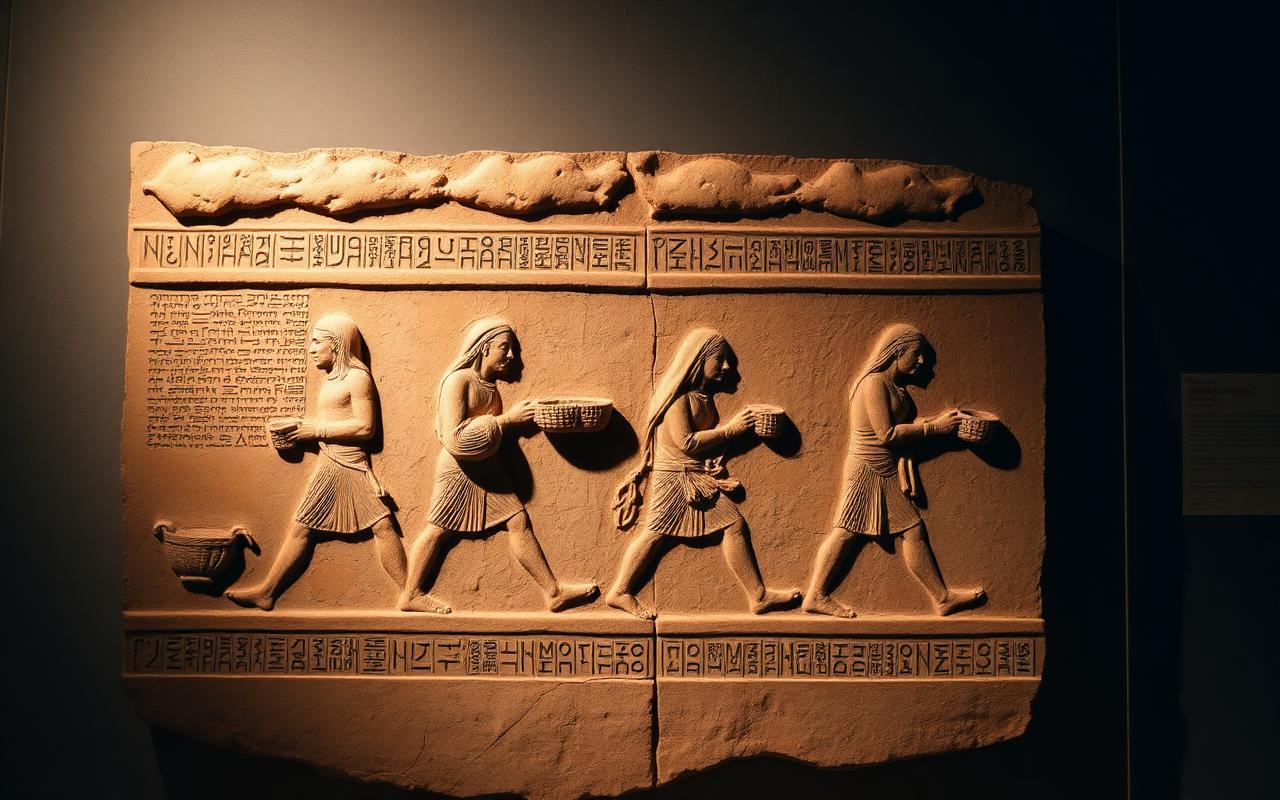
When the gods were still doing the work of men, when they bore the labor and carried the basket -
- 2.𒀭 𒃲 𒍣
šupšik ilī rabi-ma dullum kabit māt ana napišti
/ph/shupshik ili rabima dullum kabit mat ana napishti
The basket of the gods was heavy; the toil was a burden to their life.
- 3.𒃲 𒀭
rabûtum Anunnaku sebettam ša šipri Igigī ušaššû
/ph/rabutum Anunnaku sebettam sha shipri Igigi ushashshu
The great Anunnaki made the seven Igigi gods carry the workload.
- 4.𒆳 𒁺 𒀀𒇉
ina šadî illikū ḫerû nāram
/ph/ina shadi illiku kheru naram
They went up into the mountains; they dug the canal.
- 5.𒀀𒇉
ḫerû Idigna ḫerû Buranun
/ph/kheru Idigna kheru Buranun
They dug the Tigris; they dug the Euphrates.
- 6.𒀭 𒊩𒌆
imīd-ma ilum ana Bēlet-ilī tarī ša ilāni
/ph/imidma ilum ana Beletili tari sha ilani
Then a god summoned Bēlet-ilī, the womb-goddess of the gods, and said:
- 7.𒊩𒌆 𒇽
atti šassūru bāniat awīlūti binî-ma lullâ
/ph/atti shassuru baniat awiluti binima lulla
'You are the birth-goddess, creator of mankind: fashion a primal man,
- 8.𒂗
līšī abšânam līzbil dulla ša Enlil
/ph/lishi abshanam lizbil dulla sha Enlil
'Let him bear the yoke; let him carry the labor of Enlil.'
- 9.𒇽 𒆠
nišū imtidū māta kīma alpi irammum
/ph/nishu imtidu mata kima alpi irammum
The people multiplied; the land bellowed like a bull.
- 10.𒂗 𒀭 𒃲
Enlil išme rigimšina iqtarib ana ilāni rabûti
/ph/Enlil ishme rigimshina iqtarib ana ilani rabuti
Enlil heard their clamor and went to the great gods.
- 11.𒇽
ana ḫubūr nišī ul iṣṣalal alak
/ph/ana khubur nishi ul issalal alak
'Because of the racket of the people I can no longer sleep.'
- 12.𒀀 𒇽
abūbu lillik ana ḫalāq nišī
/ph/abubu lillik ana khalaq nishi
'Let a flood come, to wipe out the people.'
- 13.𒀭 𒅗
Ea ana Atra-ḫasīs ina šunātim īmurma
/ph/Ea ana Atrakhasis ina shunatim imurma
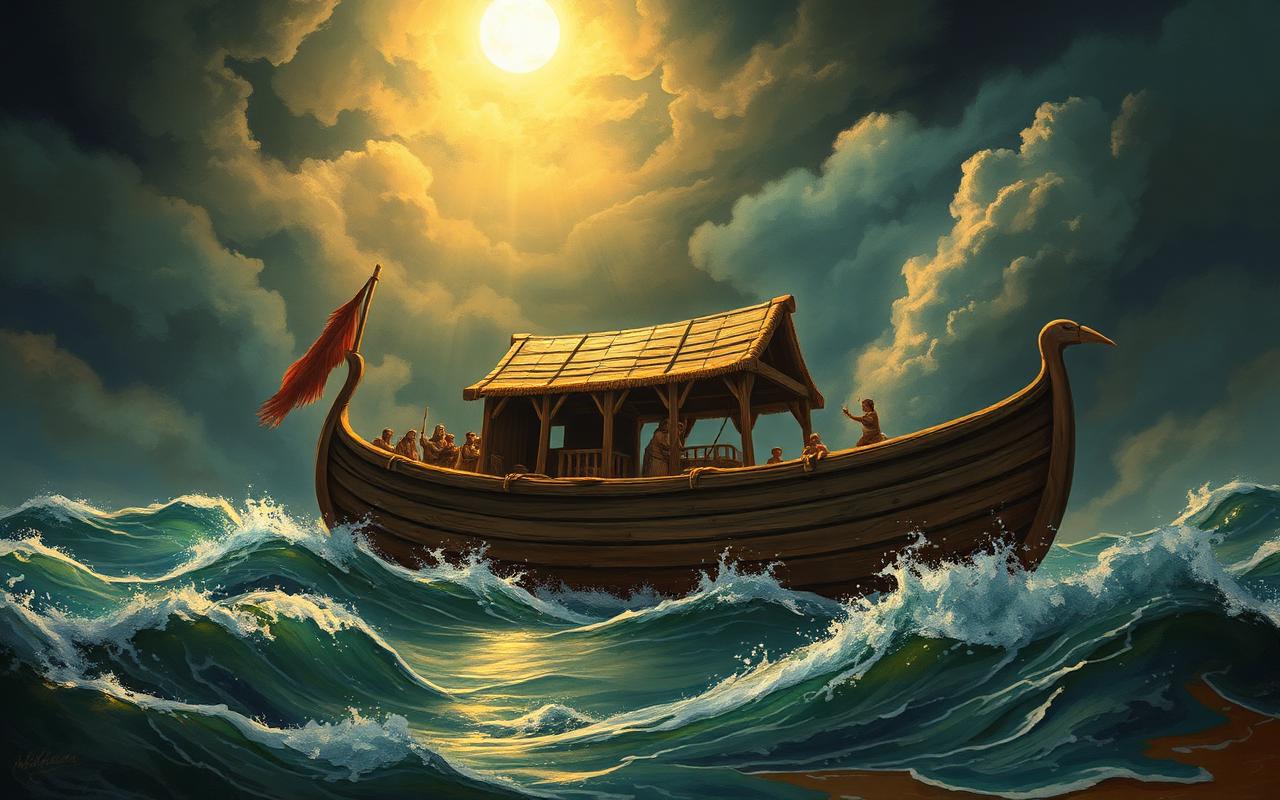
Ea spoke to Atra-ḫasīs in dreams, saying:
- 14.𒂍 𒈣 𒍣
uššir bīta bini eleppa nēmes makkūra ble napišta
/ph/ushshir bita bini eleppa nemes makkura ble napishta
'Tear down the house, build a boat; abandon possessions, save life.'
Tap a line to focus on it and see the signs that make it up. A guided learn-cuneiform mode is coming next.
Signs in this tablet
The core cuneiform signs you'll see recur throughout this text. Each glyph is a real Unicode character from the Cuneiform block.
Commentary
The opening of Atrahasis is striking: even the gods originally labored, and humanity was invented to relieve them. It is a creation story about work, not about love.
The flood is sent because humans are noisy and overcrowded - a motivation absent from the biblical Noah account, where the cause is moral corruption.
The Akkadian transliteration here follows standard Assyriological conventions (Lambert & Millard 1969). English wording is paraphrased by this site's editors.
Atra-ḫasīs is one of the three named flood survivors of the Mesopotamian tradition: Ziusudra in Sumerian, Atra-ḫasīs in Akkadian, and Utnapishtim in the Standard Babylonian Gilgamesh.
Sources
- Dalley, S. - Myths from Mesopotamia (Oxford World's Classics, rev. 2000)
- Lambert, W.G. & Millard, A.R. - Atra-ḫasīs: The Babylonian Story of the Flood (1969)
- Foster, B.R. - Before the Muses (3rd ed., 2005)