Search
Tablets, cities, civilizations, deities, and keywords across the corpus.
Type to search.
 deity
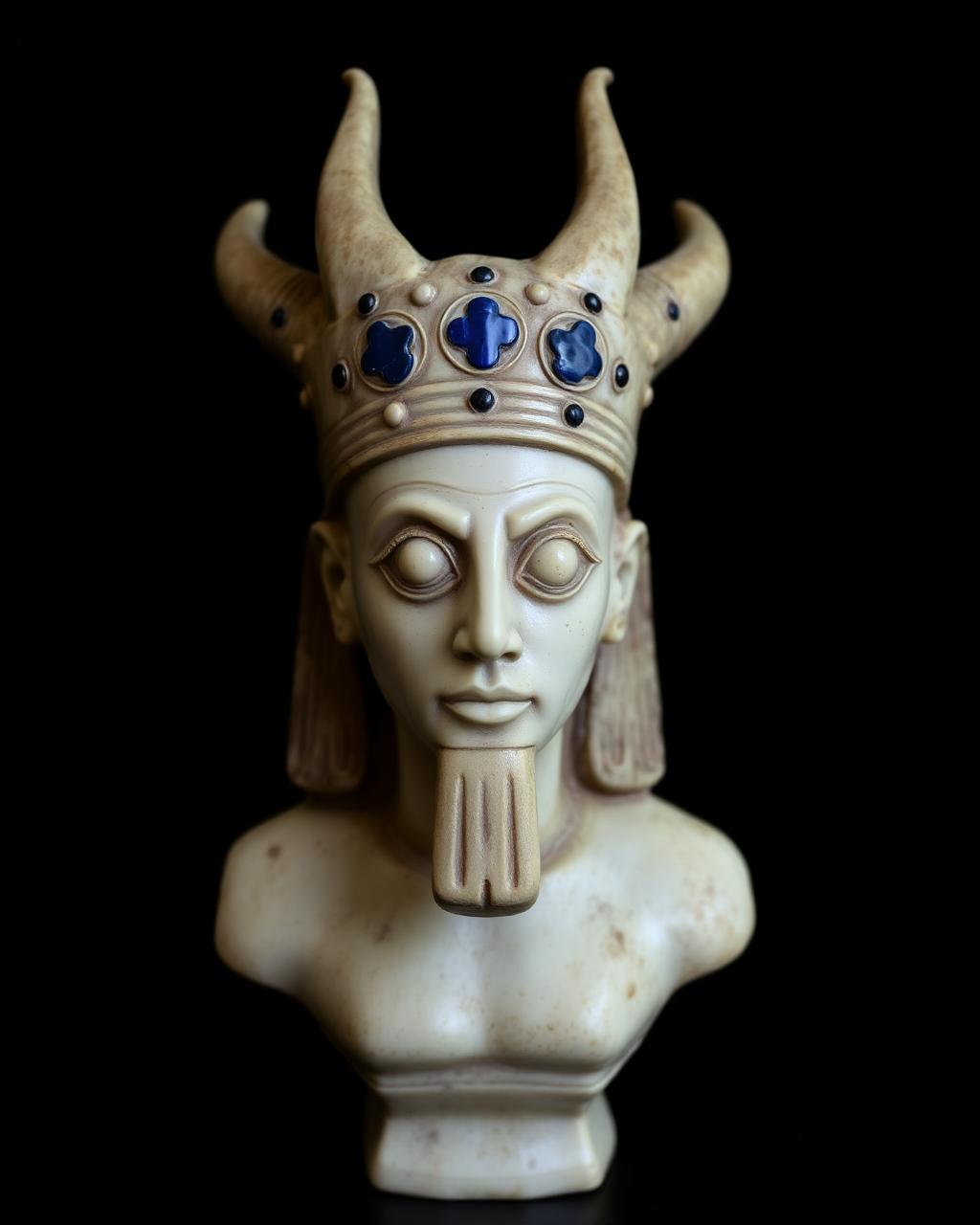
deityAn
Akkadian: Anu · Sky, supreme authority
The father of the gods, distant and almost silent.
 worldmythic
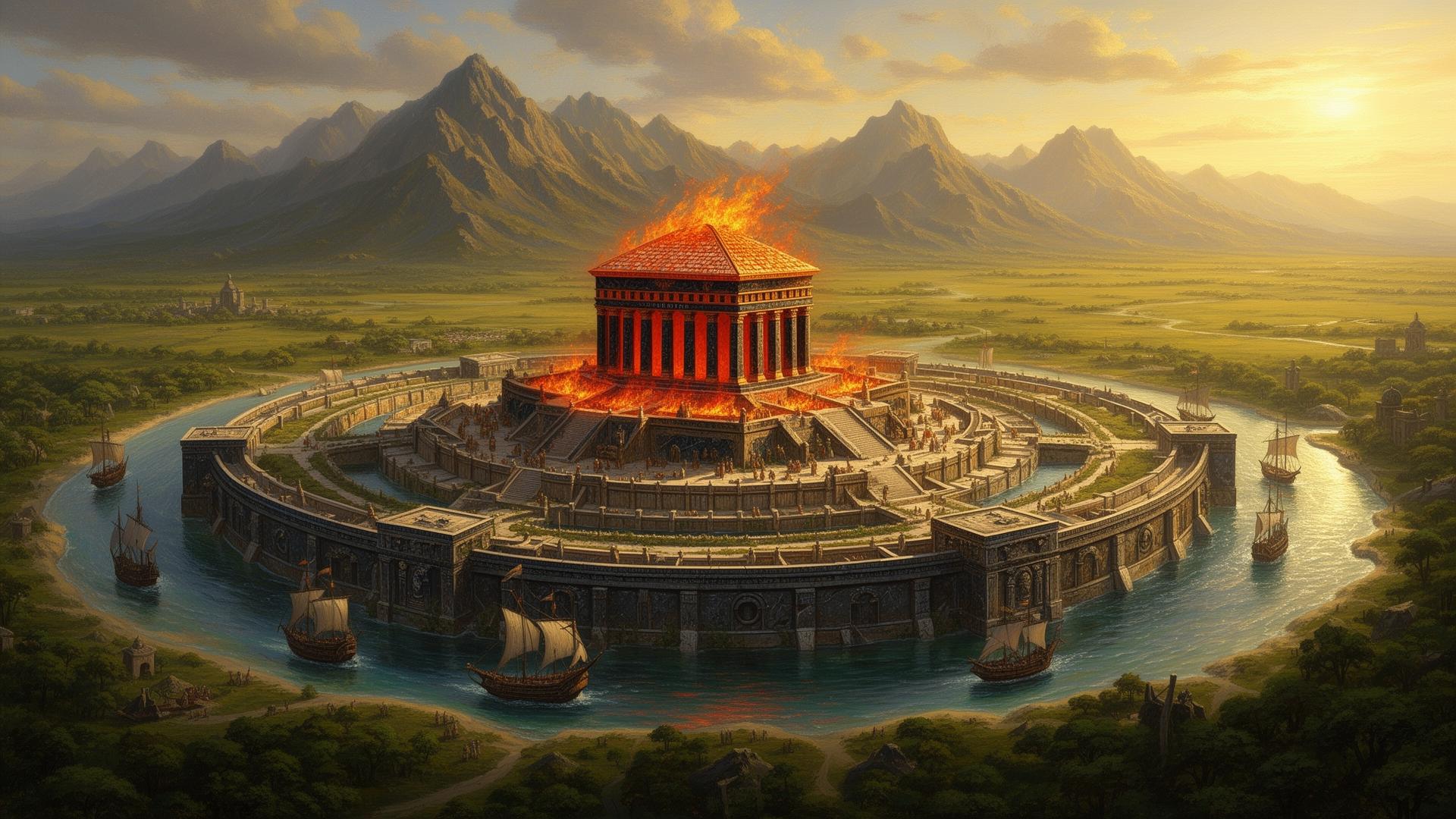
Atlantis
Beyond the Pillars of Heracles (somewhere west of Gibraltar), per Plato · Said by Plato to have sunk c. 9600 BCE — written about by him c. 360 BCE
A fictional island empire invented by Plato in two unfinished dialogues to make a philosophical point. Everything else in the legend — from concentric canals to crystal pyramids — was added later.
 worldreal
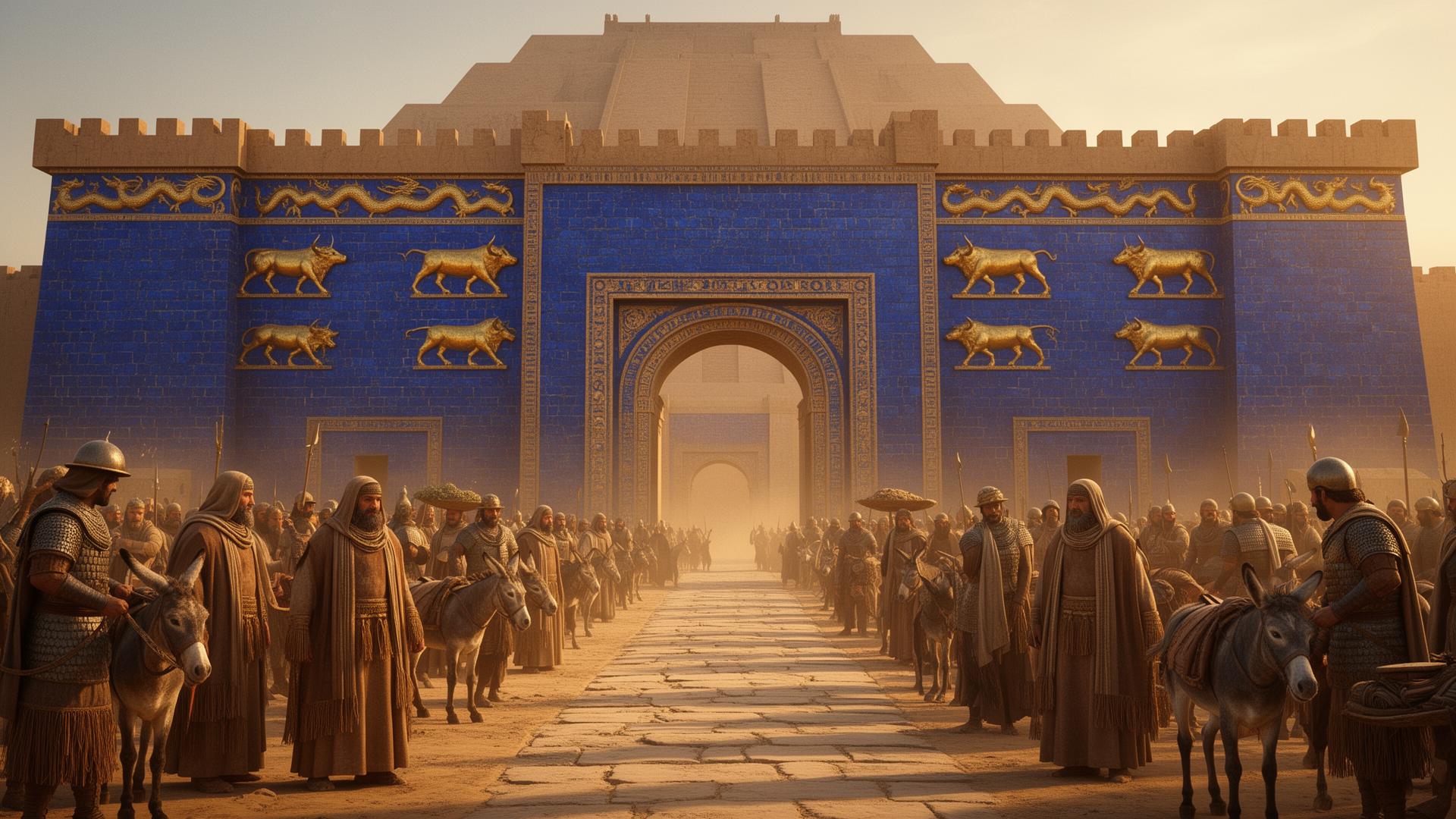
Babylon
Mesopotamian floodplain, on the Euphrates (modern Iraq) · Founded c. 2300 BCE; Neo-Babylonian peak under Nebuchadnezzar II, 605–562 BCE
Lapis-blue glazed brick walls, a ziggurat that may have inspired Babel, the world's first written astronomy, and a polyglot population at the heart of the largest empire of its day.
 worldreal
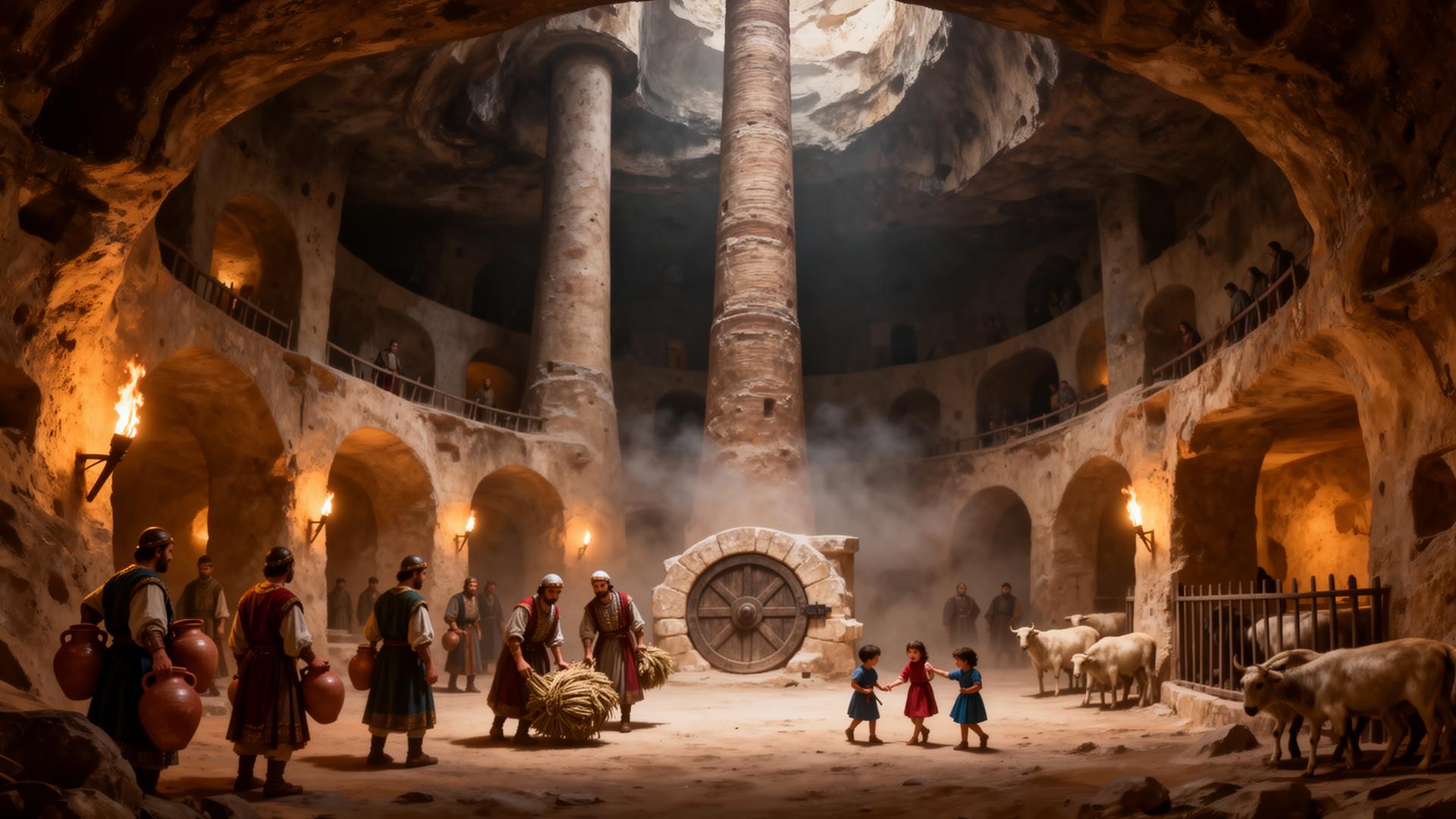
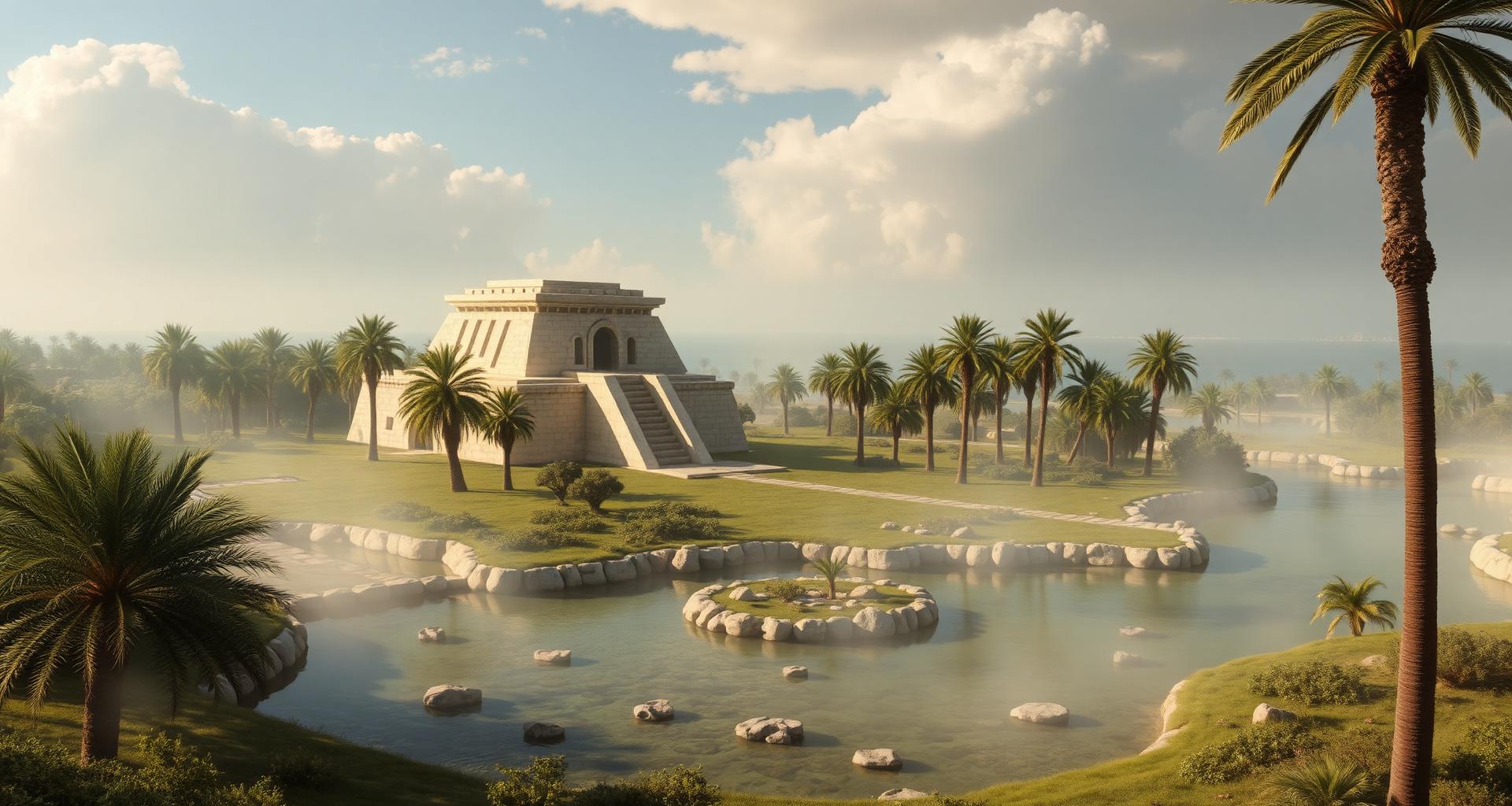
Derinkuyu
Cappadocia, central Anatolia (modern Turkey) · Carved c. 8th–7th c. BCE (Phrygian); expanded under Byzantine Christians, 5th–10th c. CE
Eighteen levels carved straight down into volcanic tuff. Stone wheel doors. Wineries, stables, chapels, a school. Rediscovered in 1963 when a man knocked down a wall in his basement.
 worldcontested
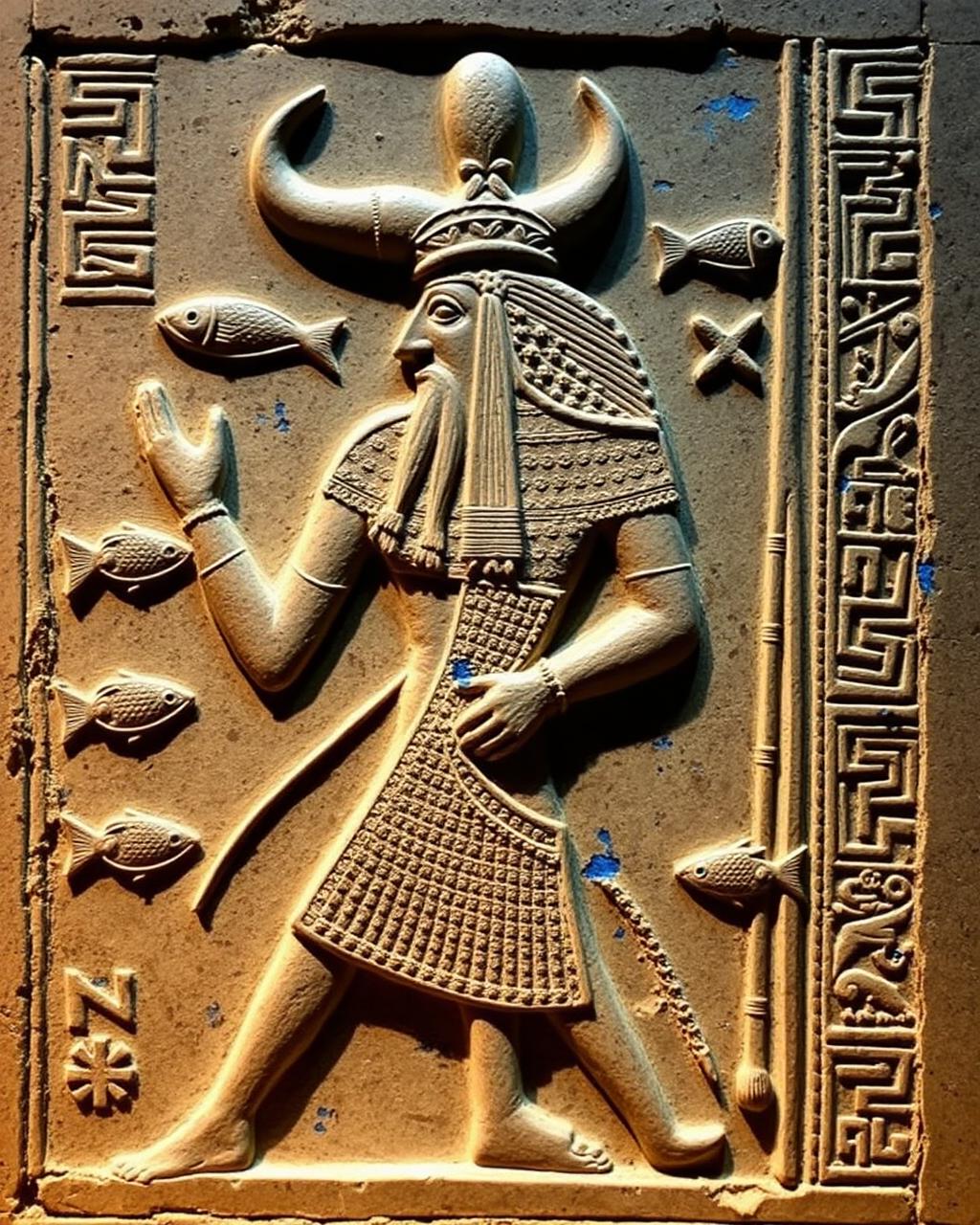
Dilmun
Sumerian mythic geography; very likely modern Bahrain and adjacent coast · Mentioned in Sumerian texts from c. 3000 BCE; in archaeological reality, a Bronze Age trading hub c. 2200–1700 BCE
In Sumerian myth, a pure island where the gods live and no one grows old. In archaeology, a real Bronze Age trading civilization on Bahrain. The interesting question is how the two relate.
 deity
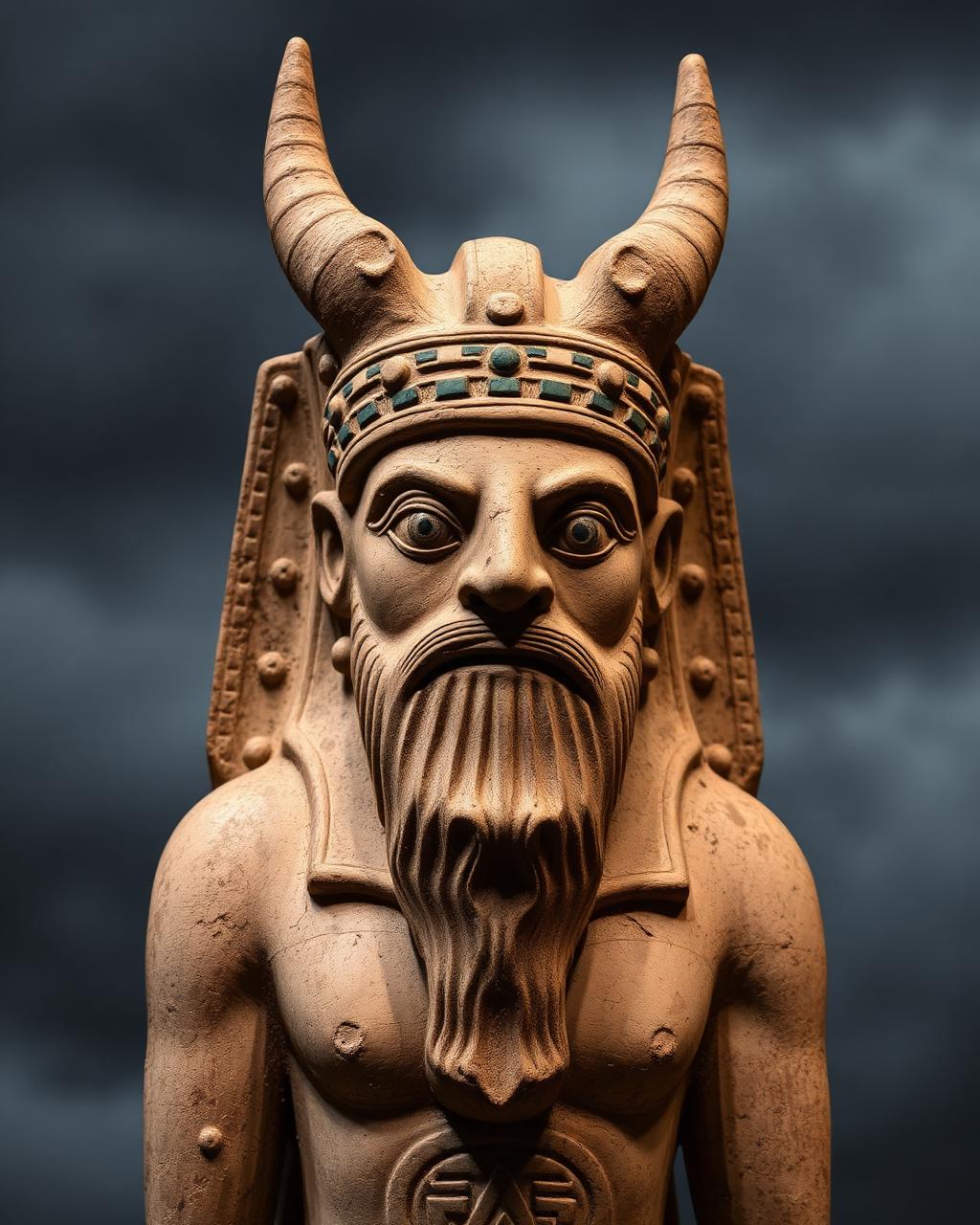
deityEnki
Akkadian: Ea · Fresh water, wisdom, craft
The clever god who keeps quietly saving humanity.
 tabletSumerianETCSL t.1.1.3
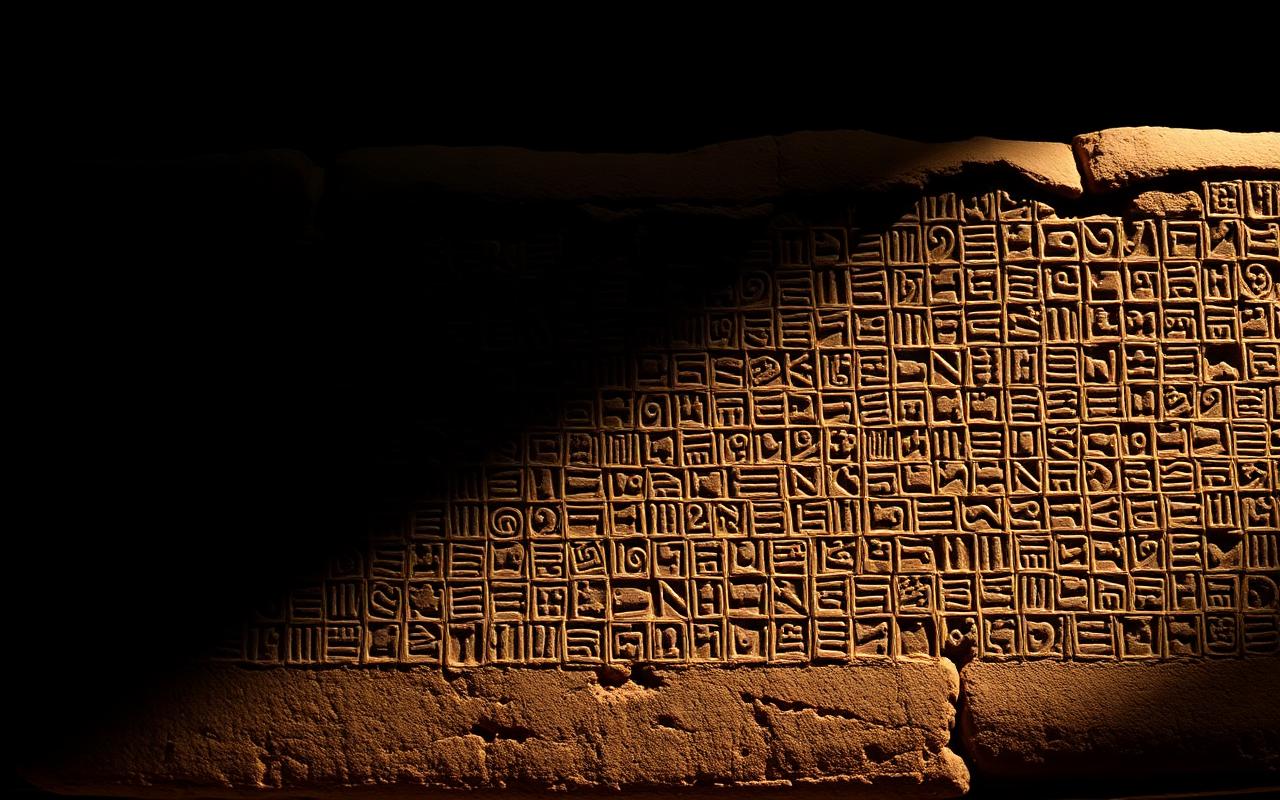
Enki and the World Order
How the god of fresh water arranged the lands
Enki proclaims himself the firstborn of An and arranges the destinies of the Tigris, the Euphrates, the marshlands, and the cities of Sumer.
 deity
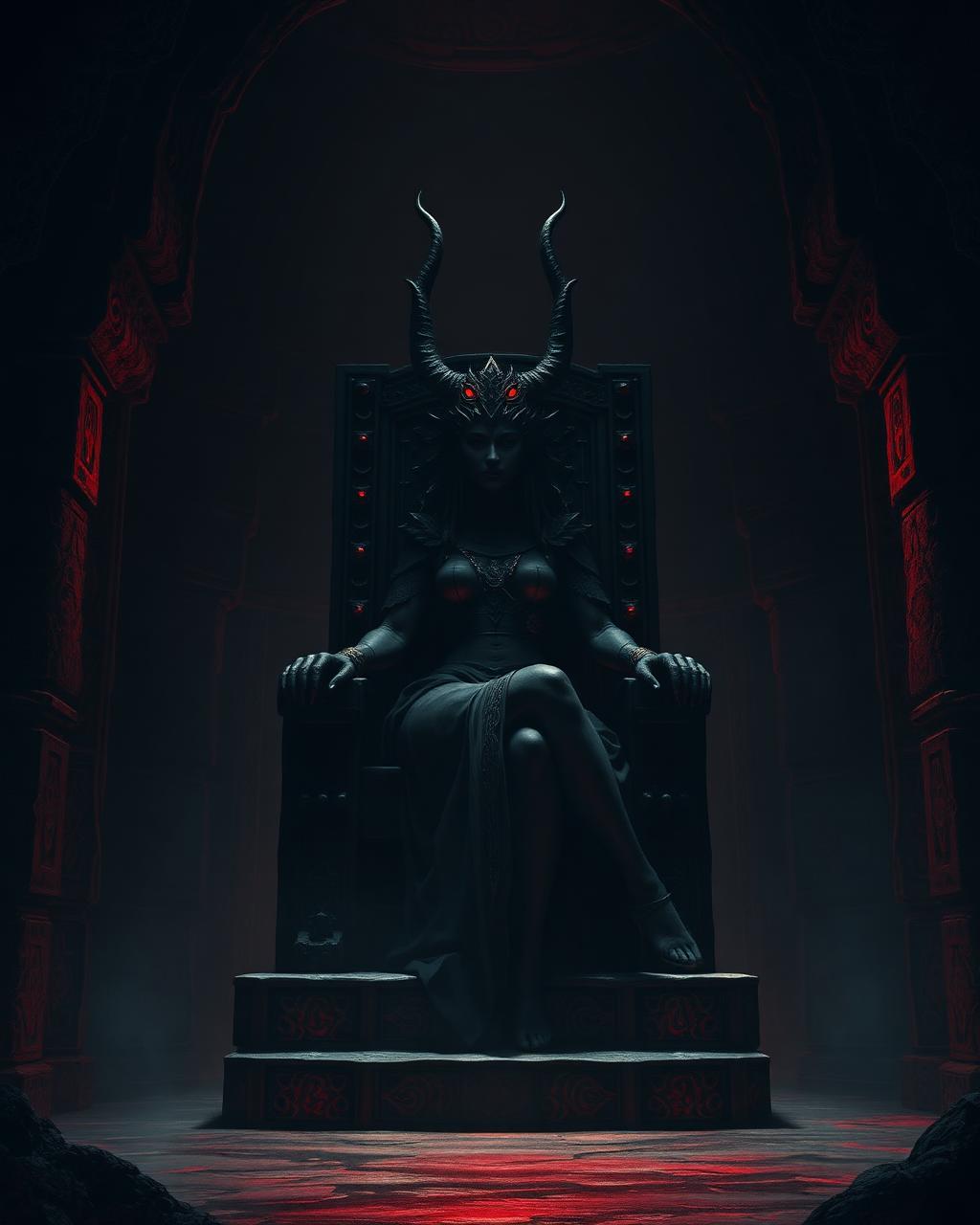
deityEnlil
Wind, storm, kingship
The executive of the cosmos — terrifying, decisive.
 deity
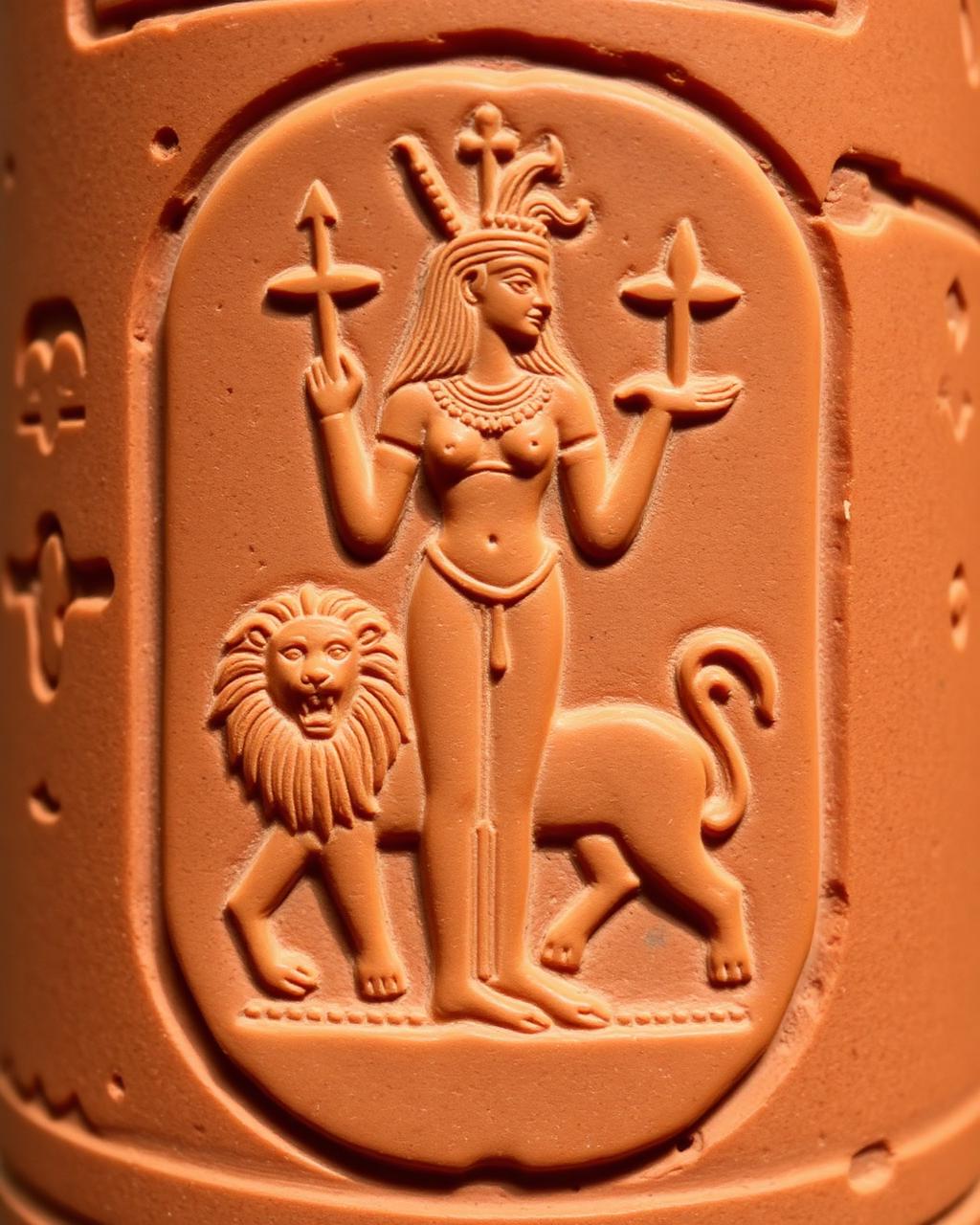
deityEreshkigal
The underworld
Queen of the Great Below, whose verdict is final.
 deity
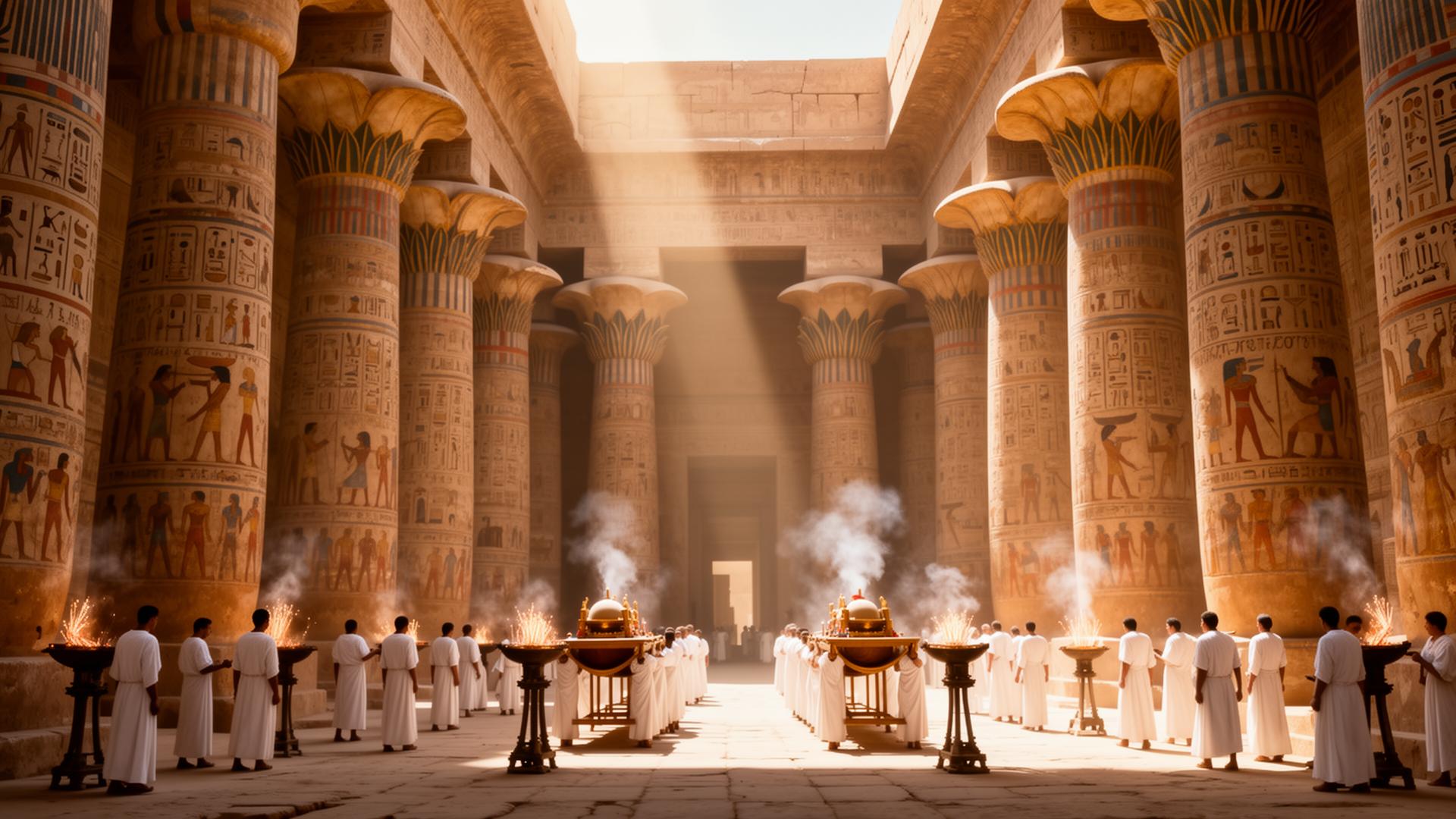
deityInanna
Akkadian: Ishtar · Love, war, sovereignty
The goddess who walks into the underworld and walks back out.
 worldreal
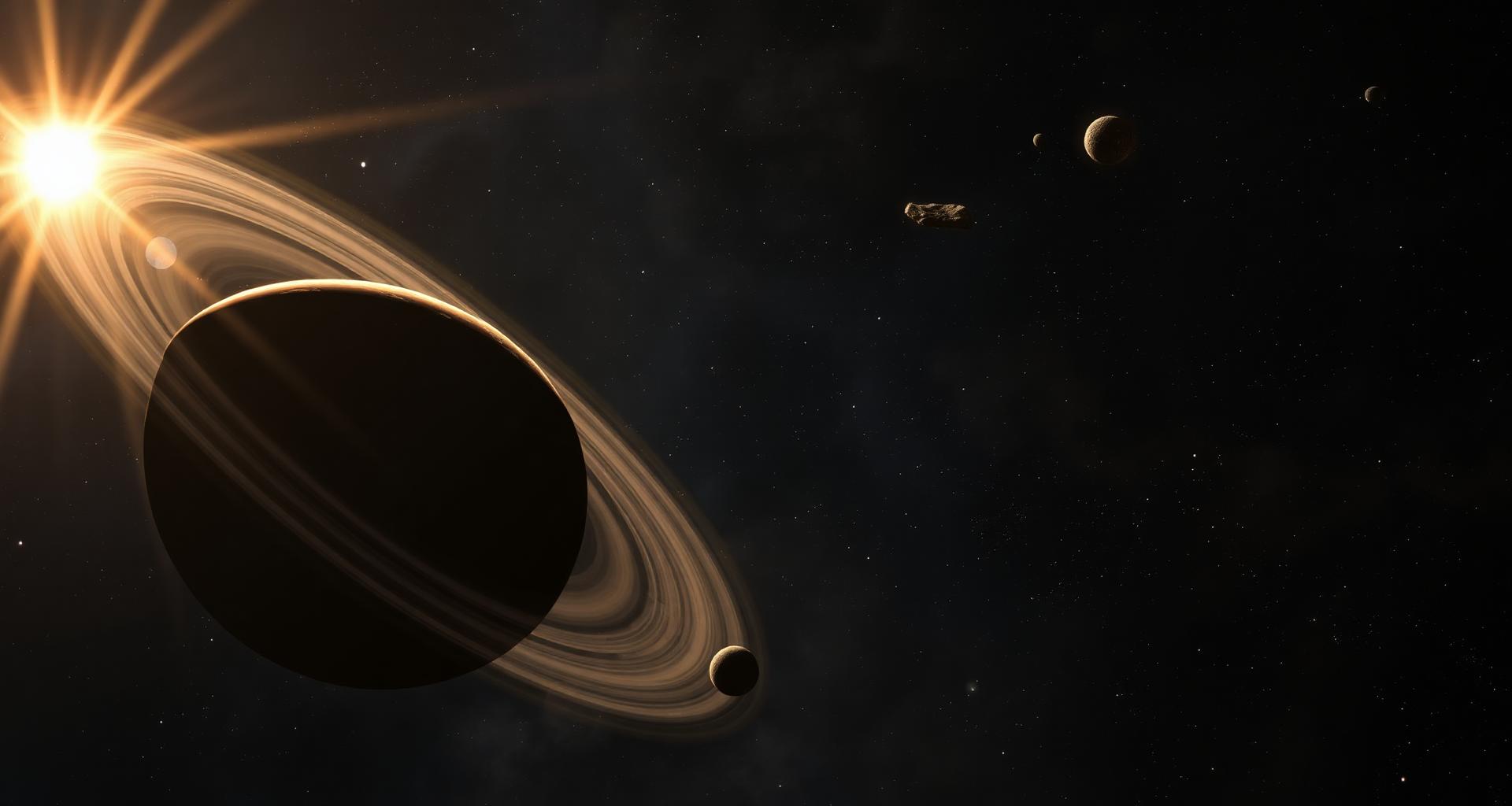
Luxor (Thebes)
Upper Egypt, on the Nile (modern Luxor) · Egyptian capital c. 2000 BCE; New Kingdom peak c. 1550–1070 BCE, especially under Hatshepsut, Thutmose III, Amenhotep III, and Ramesses II
Karnak and Luxor temples, the Valley of the Kings across the river, and a state religion so wealthy that for centuries the high priest of Amun could rival the pharaoh himself.
 worldmythic
Nibiru
Outer solar system (allegedly) · Coined in its modern sense by Zecharia Sitchin, 1976
An imagined 'twelfth planet' whose inhabitants are said to have created humanity. The reading is the work of one author in the 1970s and is rejected by Assyriologists. We include it because we get asked about it constantly.
 worldreal
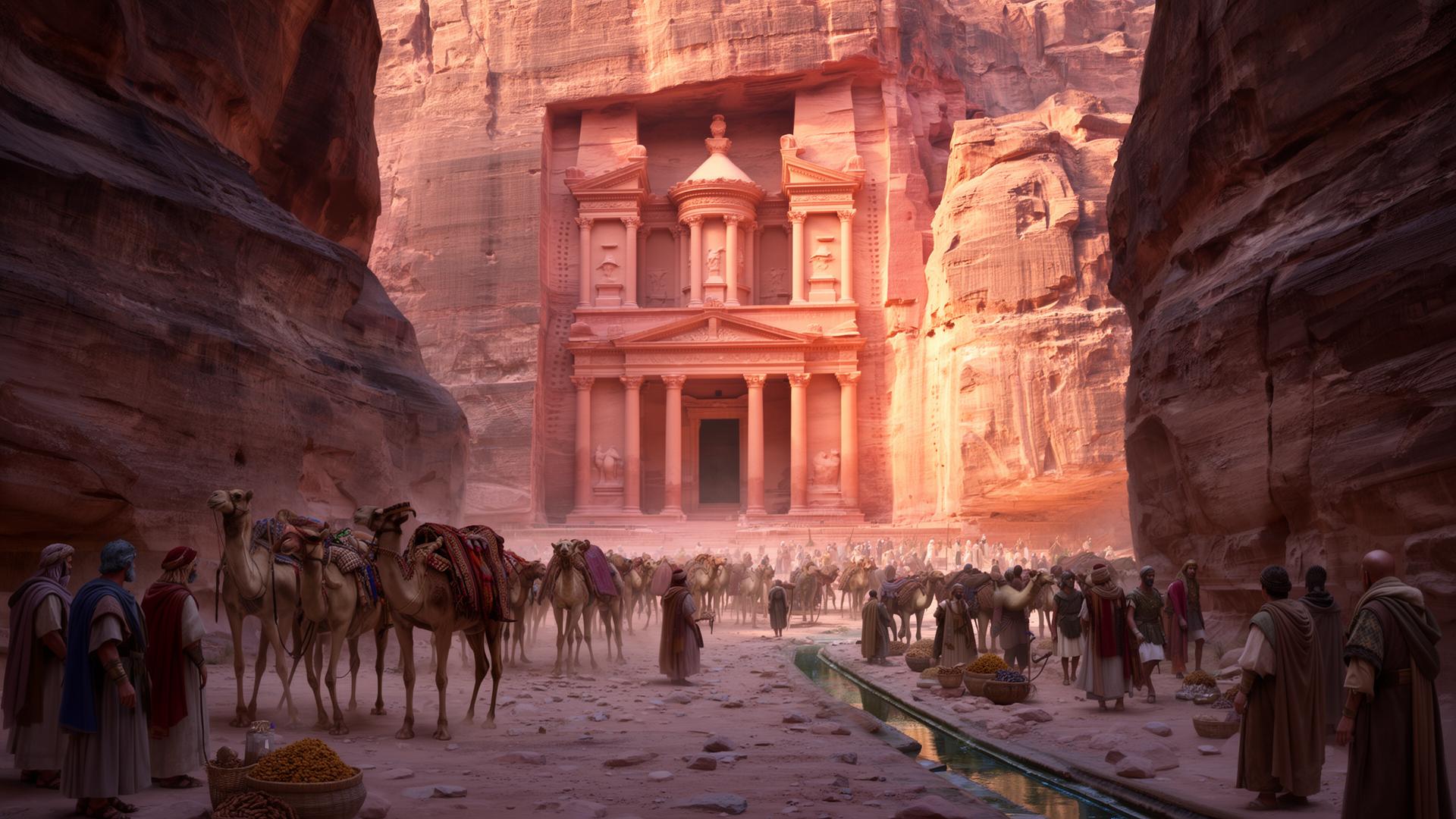
Petra
Wadi Musa, southern Jordan · Nabataean capital c. 4th c. BCE – 106 CE; peak under Aretas IV, 9 BCE – 40 CE
A Nabataean trading capital cut directly into rose-pink sandstone, controlling the frankincense and spice routes from southern Arabia to the Mediterranean.
 worldreal
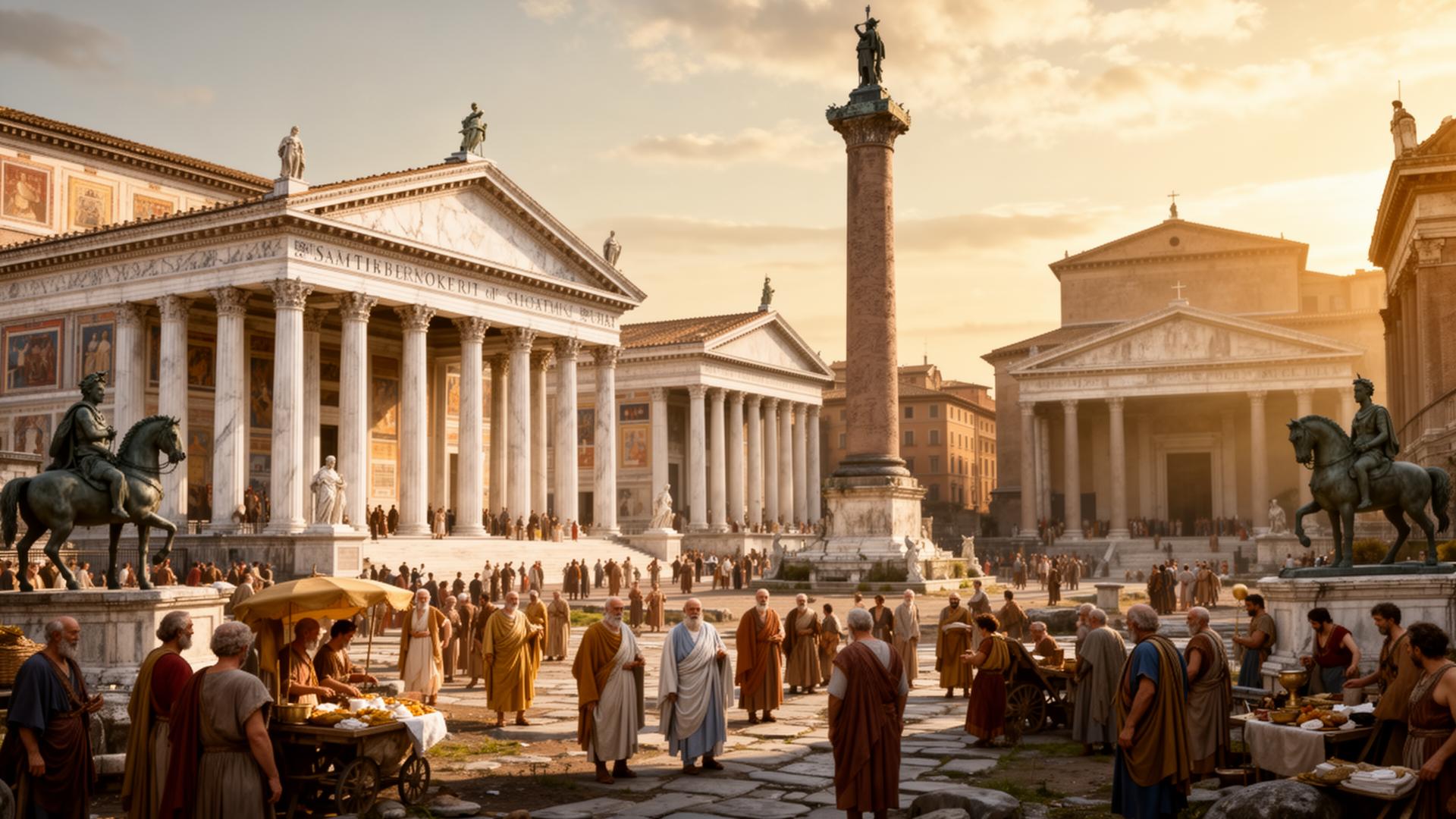
Rome
Central Italy, the seven hills above the Tiber · Founded traditionally 753 BCE; imperial peak under Trajan, c. 98–117 CE
At its peak Rome held a million people inside its walls — five-story apartment blocks, free bread, gladiatorial games, marble basilicas, and clean running water on tap at the top of the city.
 worldreal
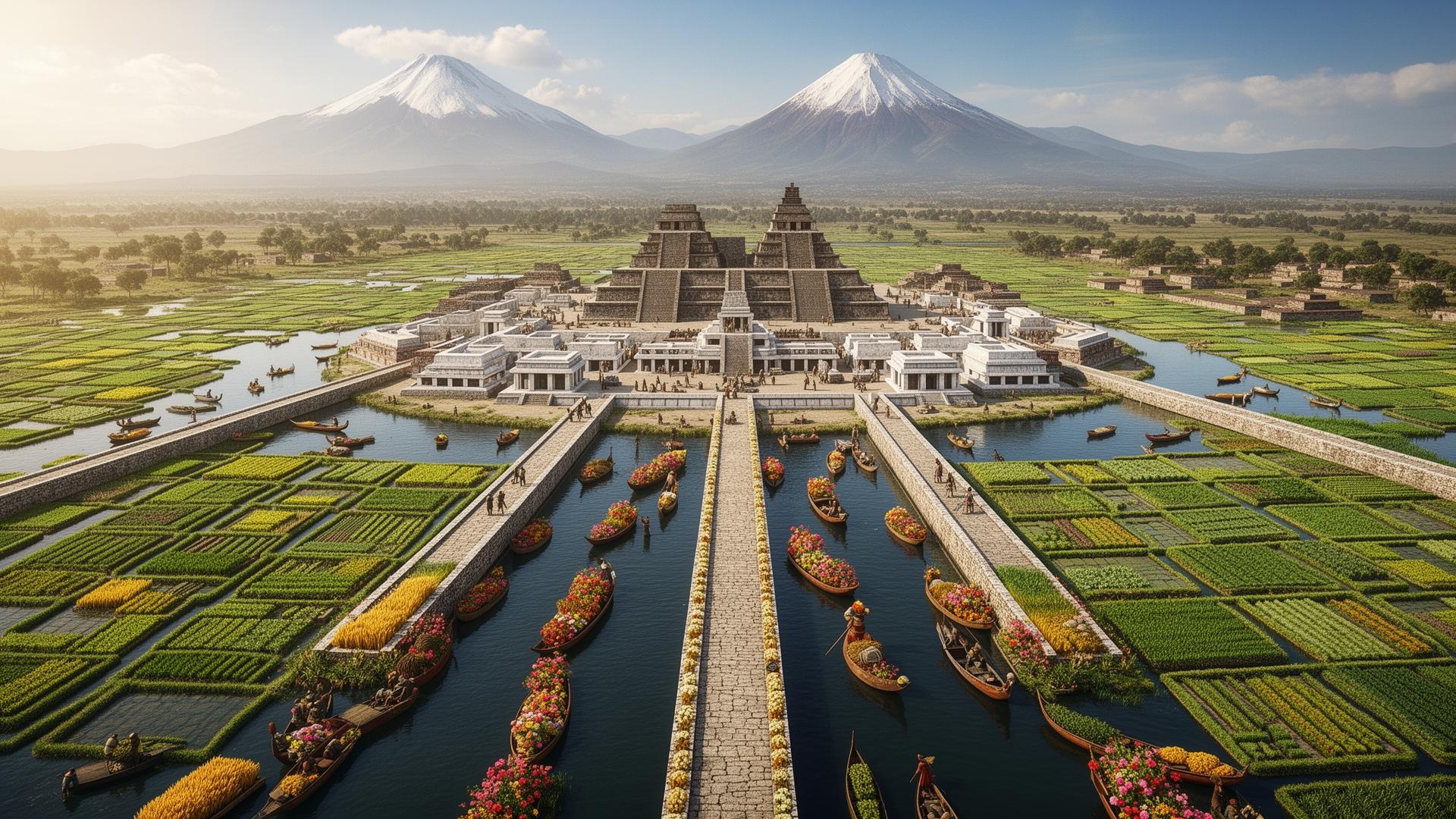
Tenochtitlán
Lake Texcoco, Valley of Mexico (modern-day Mexico City) · Founded 1325 CE; imperial peak under Moctezuma II, c. 1502–1520 CE
An engineered island city of 200,000 people in the middle of a high-altitude lake, with floating farms, aqueducts of fresh water, and a market that astonished hardened Spanish conquistadors.
 tabletAkkadianBM 78941+
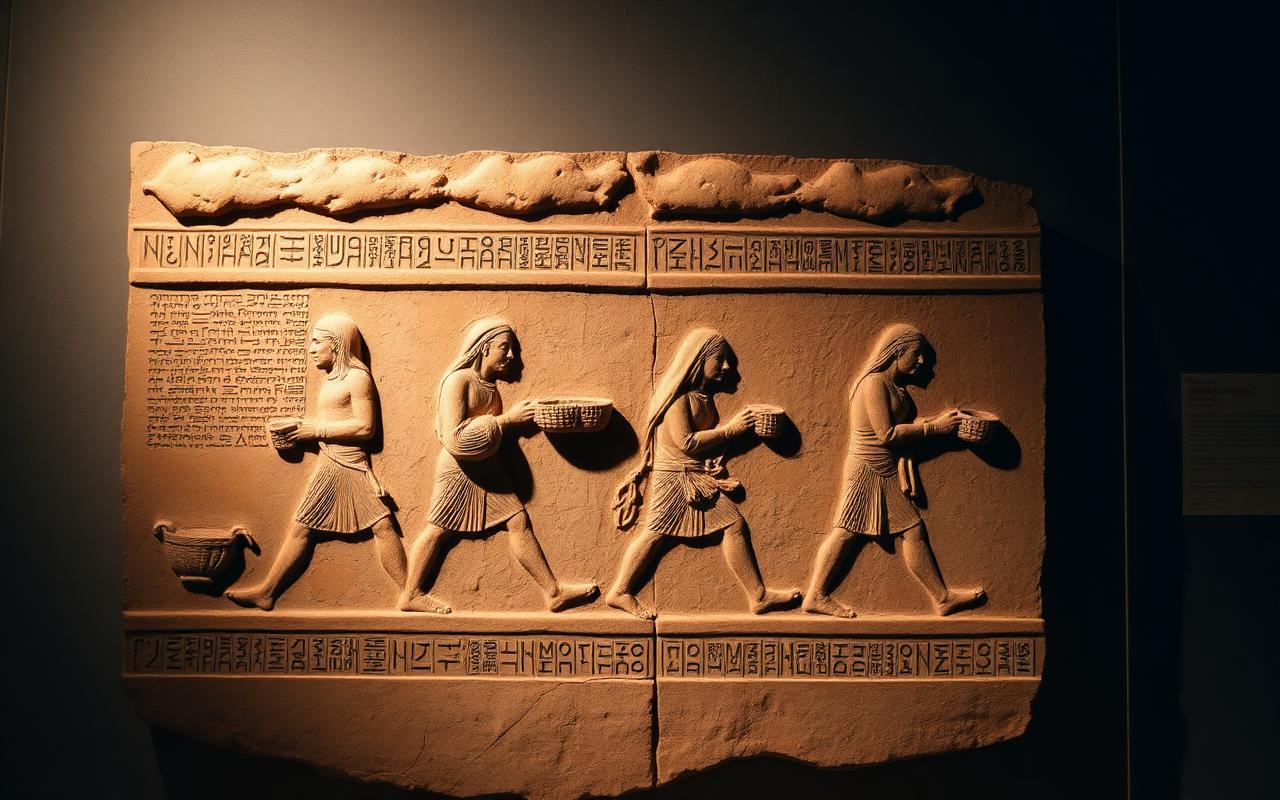
The Epic of Atrahasis
Why the gods made humans, and then nearly unmade them
The Igigi gods rebel against the labor of digging the world's canals. The great Anunnaki respond by creating humans to take over the toil — then send a flood when humans grow too numerous and noisy.
 tabletSumerianPenn Museum CBS 10673
The Eridu Genesis
A Sumerian creation and flood narrative
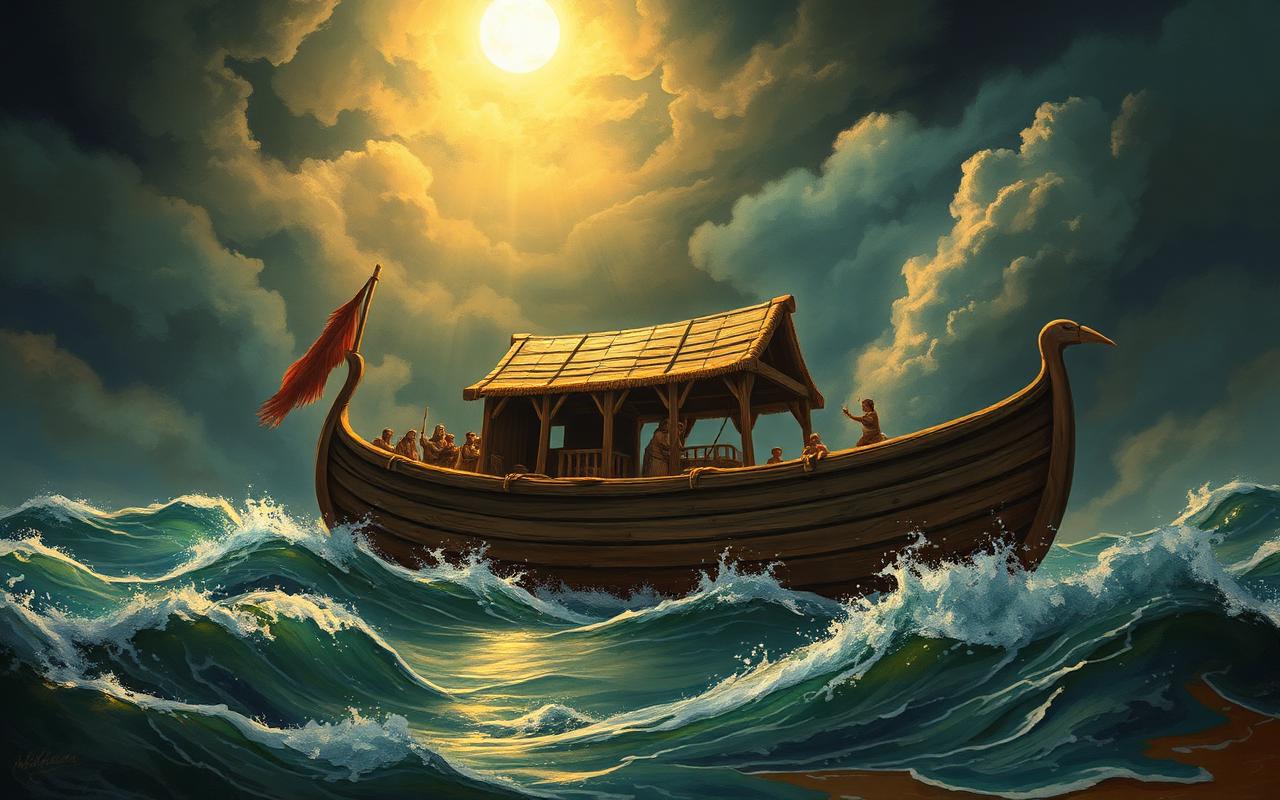
An and Enlil decree the destruction of mankind by flood; Ziusudra, warned by a sympathetic god, builds a great vessel and survives.
 worldreal
Ur
Southern Mesopotamia, near the ancient Persian Gulf coast (modern Iraq) · Founded c. 3800 BCE; Third Dynasty (Ur III) under Ur-Nammu and Shulgi, c. 2112–2004 BCE
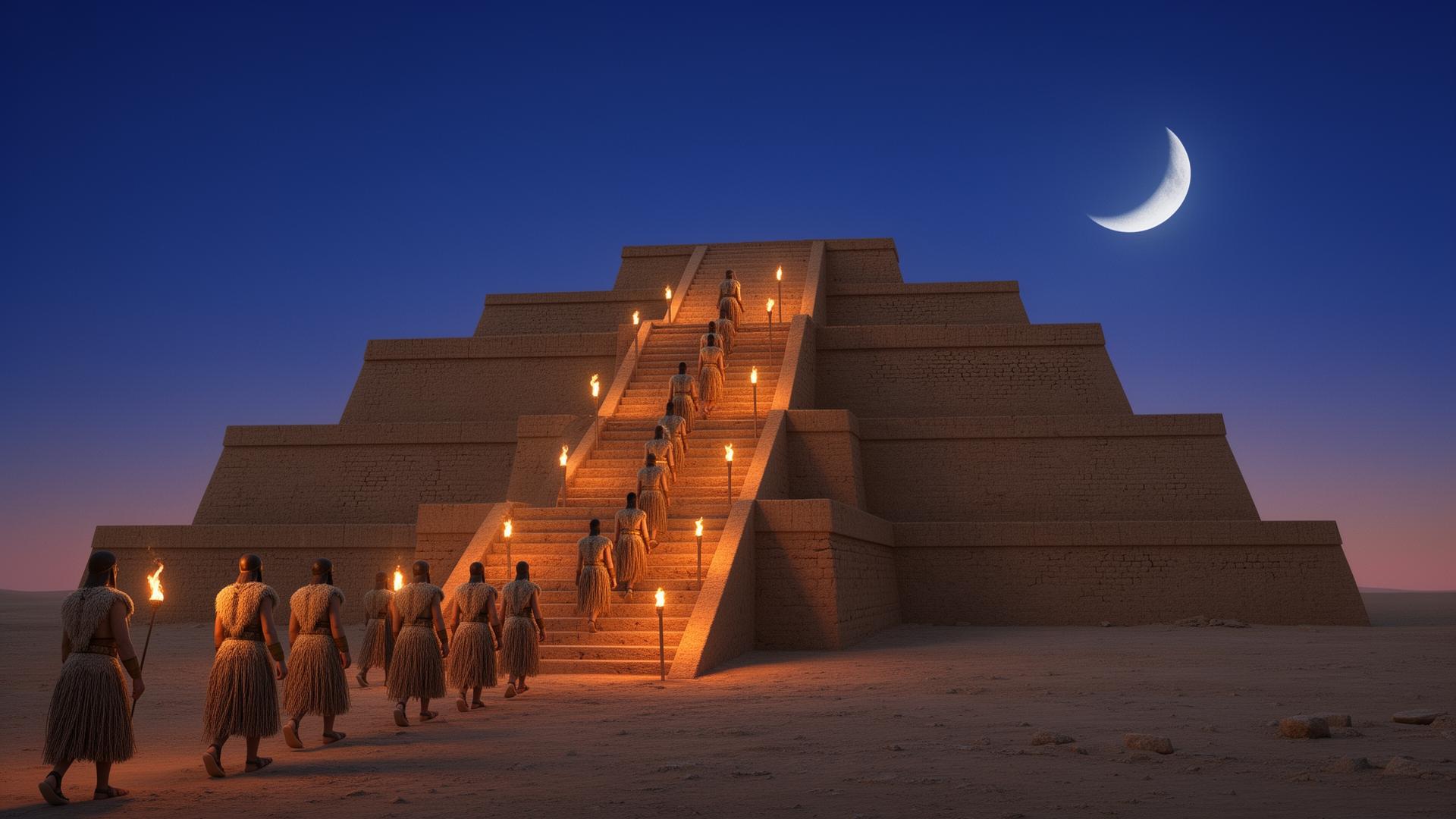
A Sumerian capital on the (then-coastal) Persian Gulf, home to the moon-god Nanna, the first known schools of writing, and the oldest substantially preserved law code.