𒀭𒈗𒉆𒂗 𒁕𒅗𒈠 𒊓𒅆𒋗
𒂊𒉡𒈠 𒀀𒈾𒆪 𒈗𒋫 𒅆𒅇
𒈗𒋫 𒅆𒅇 𒀀𒈾 𒂊𒉡 𒁕𒅗
𒊓𒅆𒋗 𒀭𒈗 𒉆𒂗 𒁕𒅗
𒀭 𒈗 𒉆 𒂗 𒁕 𒅗
𒅆 𒅇 𒀀 𒈾 𒂊 𒉡
𒀭Tablets of Sumer
TabletsWorldsPantheonAbout
Read tablet
Read tabletSearchTabletsWorldsPantheonAboutSign in

The Anunnaki

A working pantheon

The Sumerians did not picture their gods as remote abstractions. They held offices. Below: five whose names recur most often in the tablets.
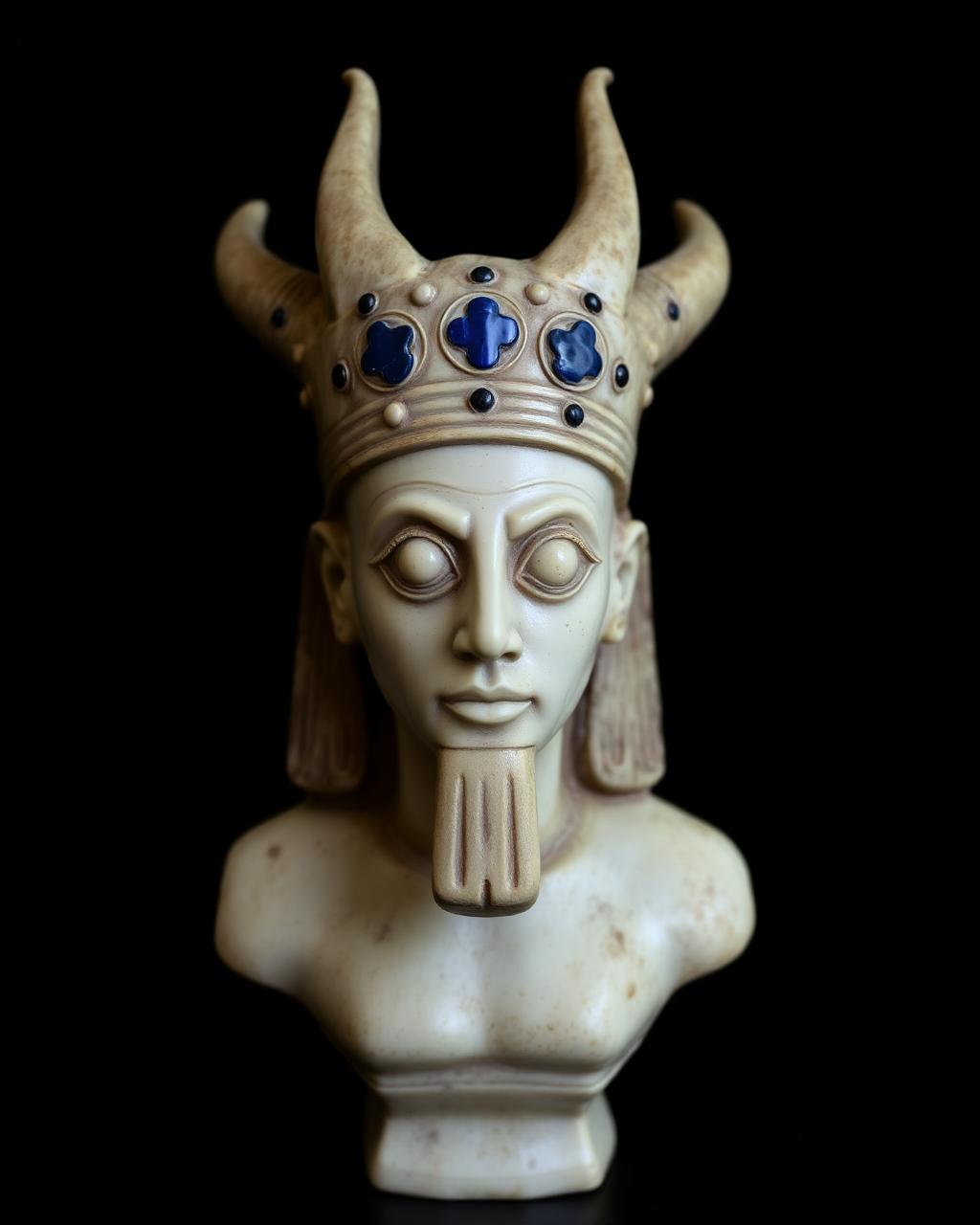
Sumerian deity bust with horned crown and inlaid eyes.

Sky, supreme authority

An/ Anu

The father of the gods, distant and almost silent.
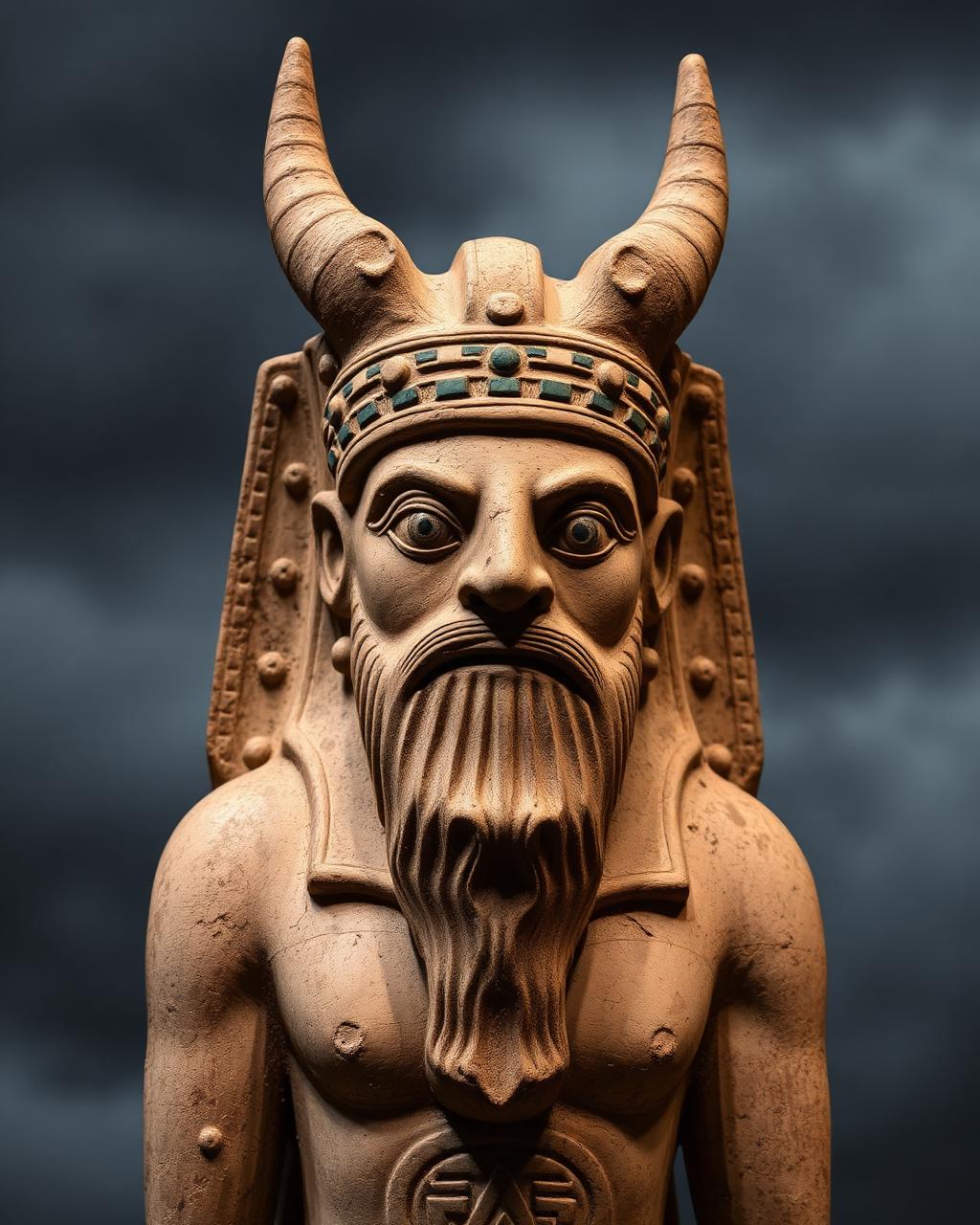
Statue of a horned, bearded Sumerian god against a stormy sky.

Wind, storm, kingship

Enlil

The executive of the cosmos — terrifying, decisive.

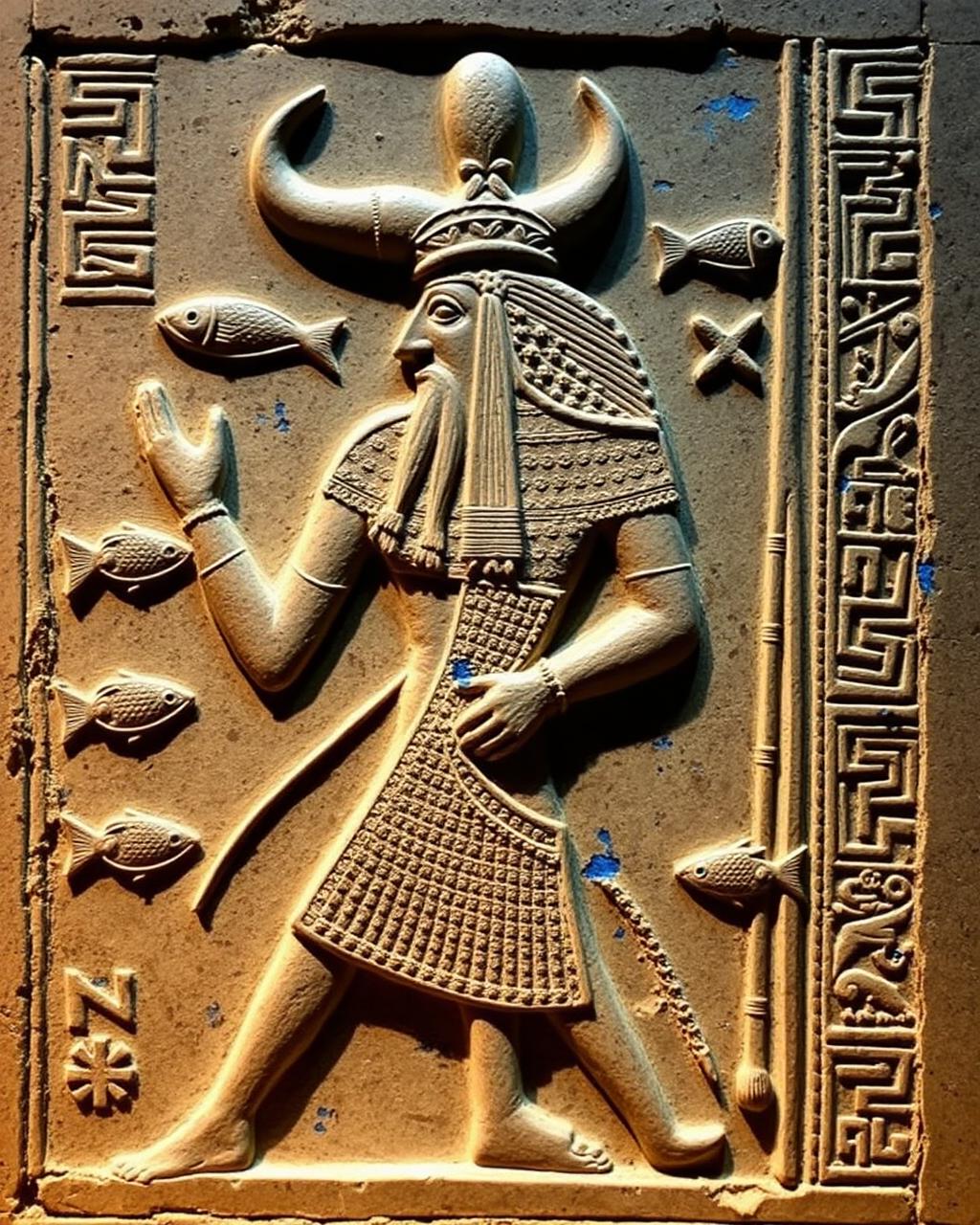
Carved relief of Enki with streams of water flowing from his shoulders.

Fresh water, wisdom, craft

Enki/ Ea

The clever god who keeps quietly saving humanity.
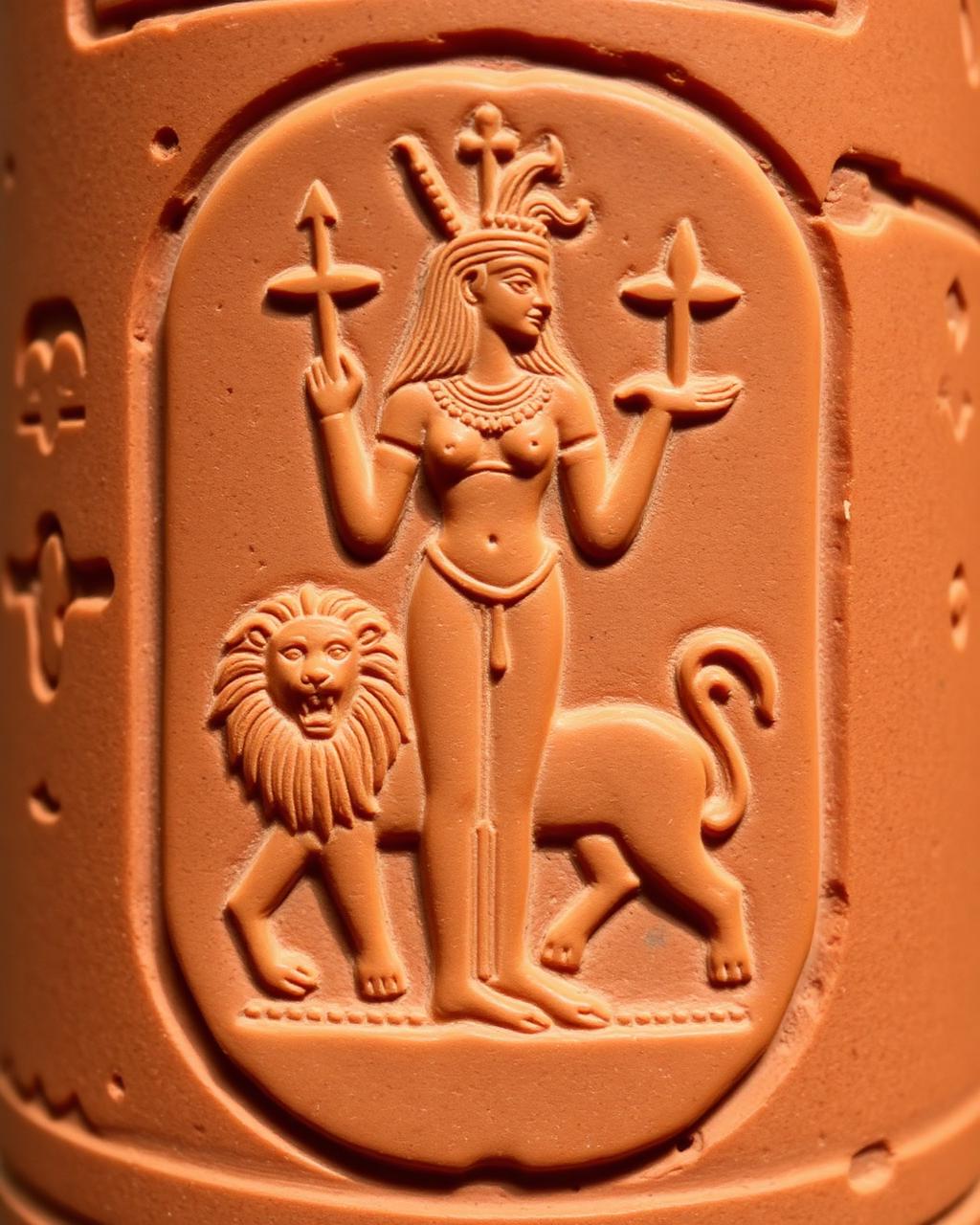
Cylinder seal impression of Inanna with lion and eight-pointed star.

Love, war, sovereignty

Inanna/ Ishtar

The goddess who walks into the underworld and walks back out.
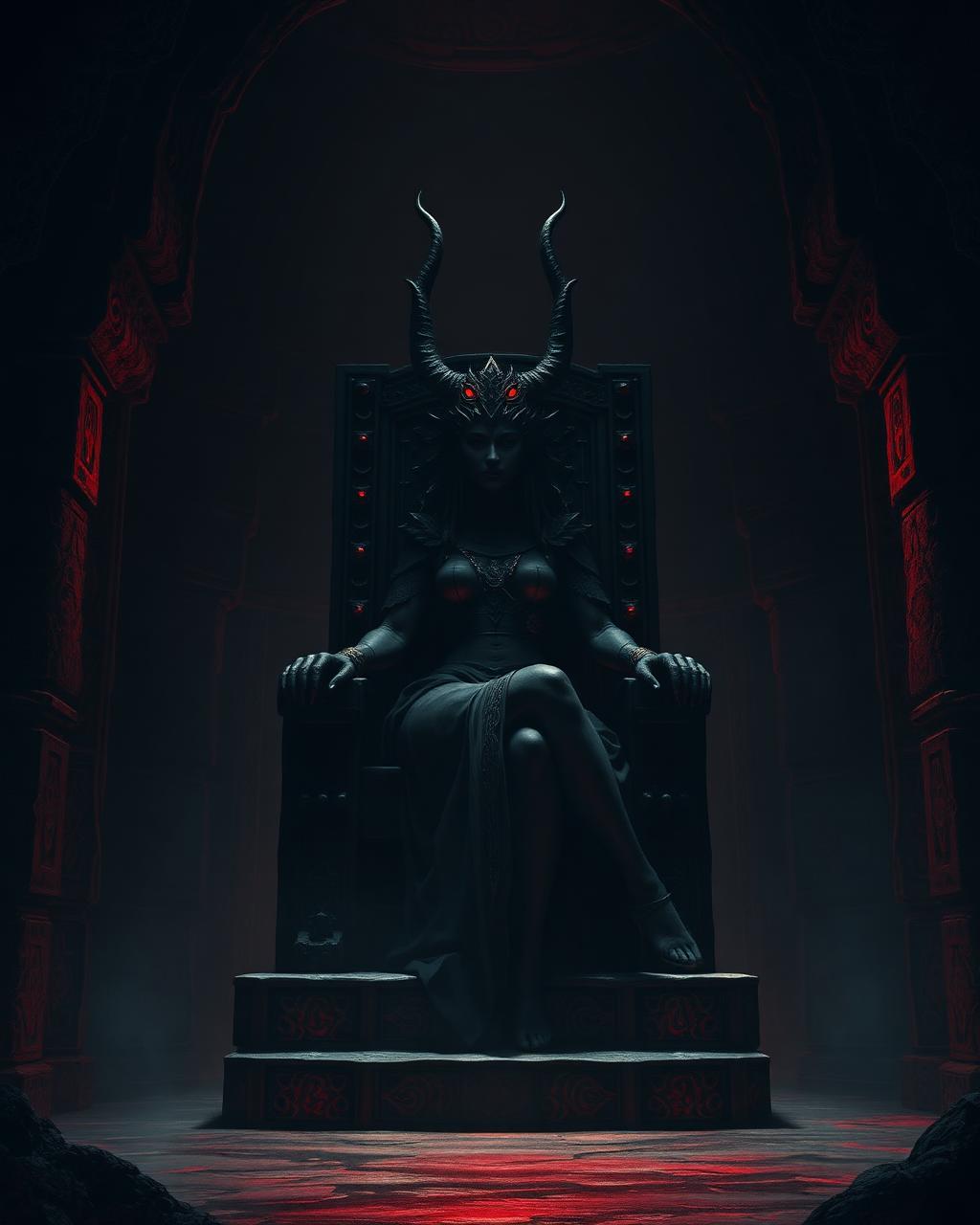
Underworld goddess seated on a dark throne in a cavernous hall.

The underworld

Ereshkigal

Queen of the Great Below, whose verdict is final.

𒀭Tablets of Sumer

A reading room for the oldest stories we have. Built on peer-reviewed translations, with creative sections clearly marked.

Explore

  • All tablets
  • Pantheon
  • Worlds

About

  • Sources & method
  • Privacy
  • Terms
  • ETCSL (Oxford)
  • CDLI

Translations cited to their scholarly editions. Artwork is original, generated to evoke Mesopotamian motifs — not to depict specific museum artifacts.